#13 - RARELY SEEN RIDES - The 2025 Collection



INTRO - FROM TYLER PEREZ, CAMERA CARSPOT (Owner) -
The mission is to track down ‘Rarely Seen Rides’ from the automotive world and utilize the writing skills of friends with a penchant for obscure vehicles. We hunt down the rides, photograph them, and then let the writer's pen (or keyboard) flow. Bruxell (ig handle) was an easy choice for our opening series, as this idea sparked from missing his post on Instagram. Known mostly for parking on Angeles Crest Highway, photographing cars via cell phone, to then post and talk about them online. His post have considerably slowed on IG these days, so it was nice to catch him on a sabbatical and crank this series out. Working at an automotive bookstore, Bruxell stays cutting his teeth regarding knowledge on all things cars. You need to be knowledgeable, or ready to learn new definitions, phrases and references as Bruxell throws down here.
————————————————————————————————————————————————————————————————————————————————-
1992 Mazda/Autozam AZ-1 •
Long ago, and far away in a place called Japan-In-The-Early-90s, it seemed anything was possible. The malaise that had gripped the auto industry since the mid 1970s began to thaw here first, and the fruits of the Japanese industry feeding US and European dollars into R&D were plentiful. Sports Coupes and Roadsters were available in perhaps the greatest variety they ever would be.
For decades before this, Japan had been producing a sub-class of car for domestic consumption designed specifically to maximize space on roads and available fuel supplies. The Kei cars had always been about efficiency above all, but they were about to take the same turn for performance as the rest of the Japanese industry. From Honda, Suzuki, and finally Mazda would emerge three tiny sports cars, unified by dimensions and displacement, but astonishingly different in character.
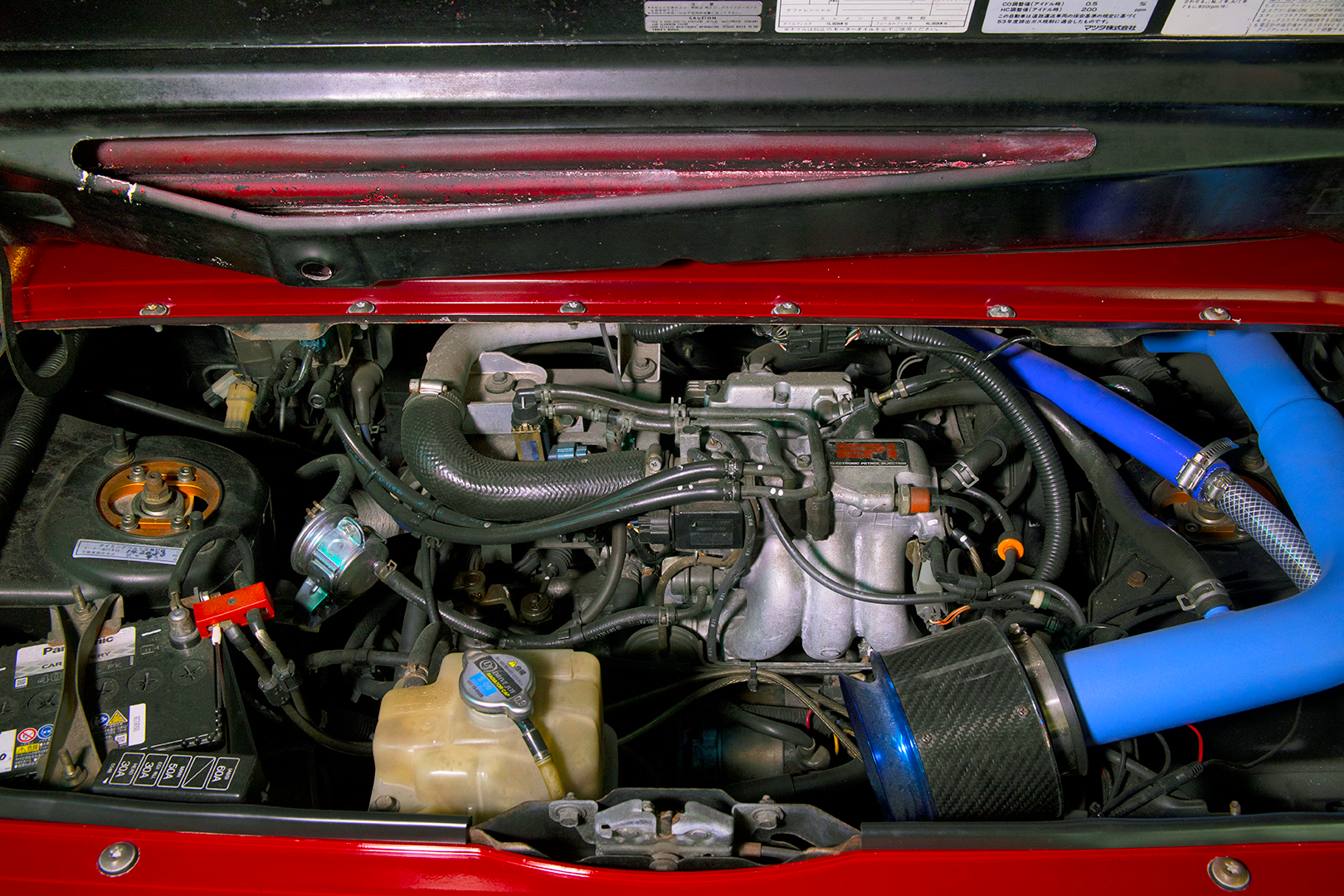
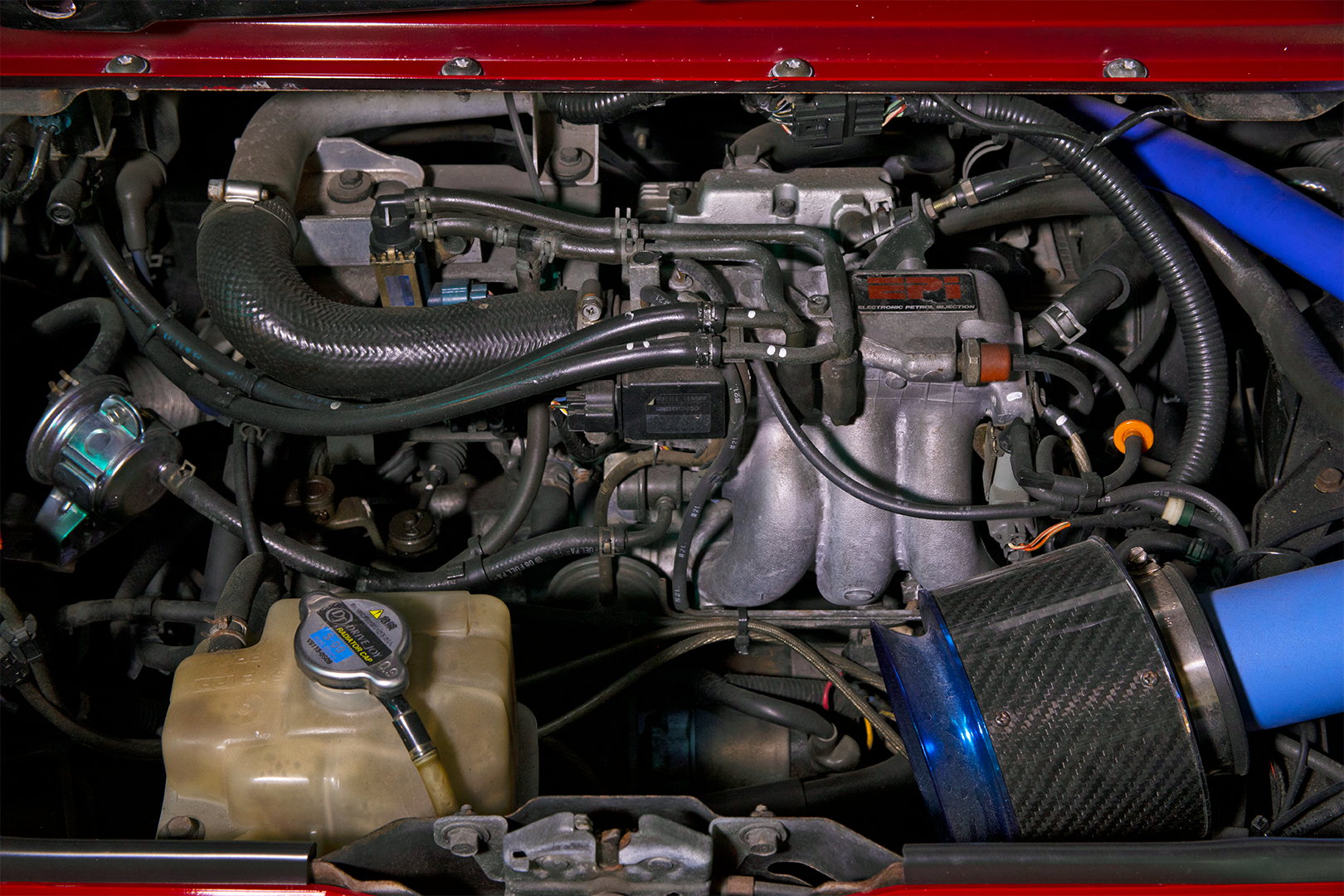
It’s the Mazda that we’re here to discuss. Honda’s Beat and Suzuki’s Cappuccino have their adherents, but the Autozam AZ-1, to give its proper name, was and remains a darling of the JDM crowd, and for good reason. This tiny, mid-engine, gull-wing coupe is nothing less than the babiest of baby supercars. Fifteen inches shorter and an inch narrower than a Lotus Elan, it manages to be only c. eighty pounds heavier than Chapman’s gold standard lightweight, despite being made of steel instead of fiberglass. Sitting on a wheelbase four inches longer than the Lotus, this is a tiny, light car, with all its major masses between the wheels: A good start. Power came from a 657cc triple with twin-cams, and four valves for each cylinder, sourced from Suzuki. A turbo was attached, one suspects to puff up the mid-range as power was legally limited to 63bhp backed by an identical torque figure. I remember reading (I think in Sport Compact Car) that power could be doubled with bolt-on parts in-period.
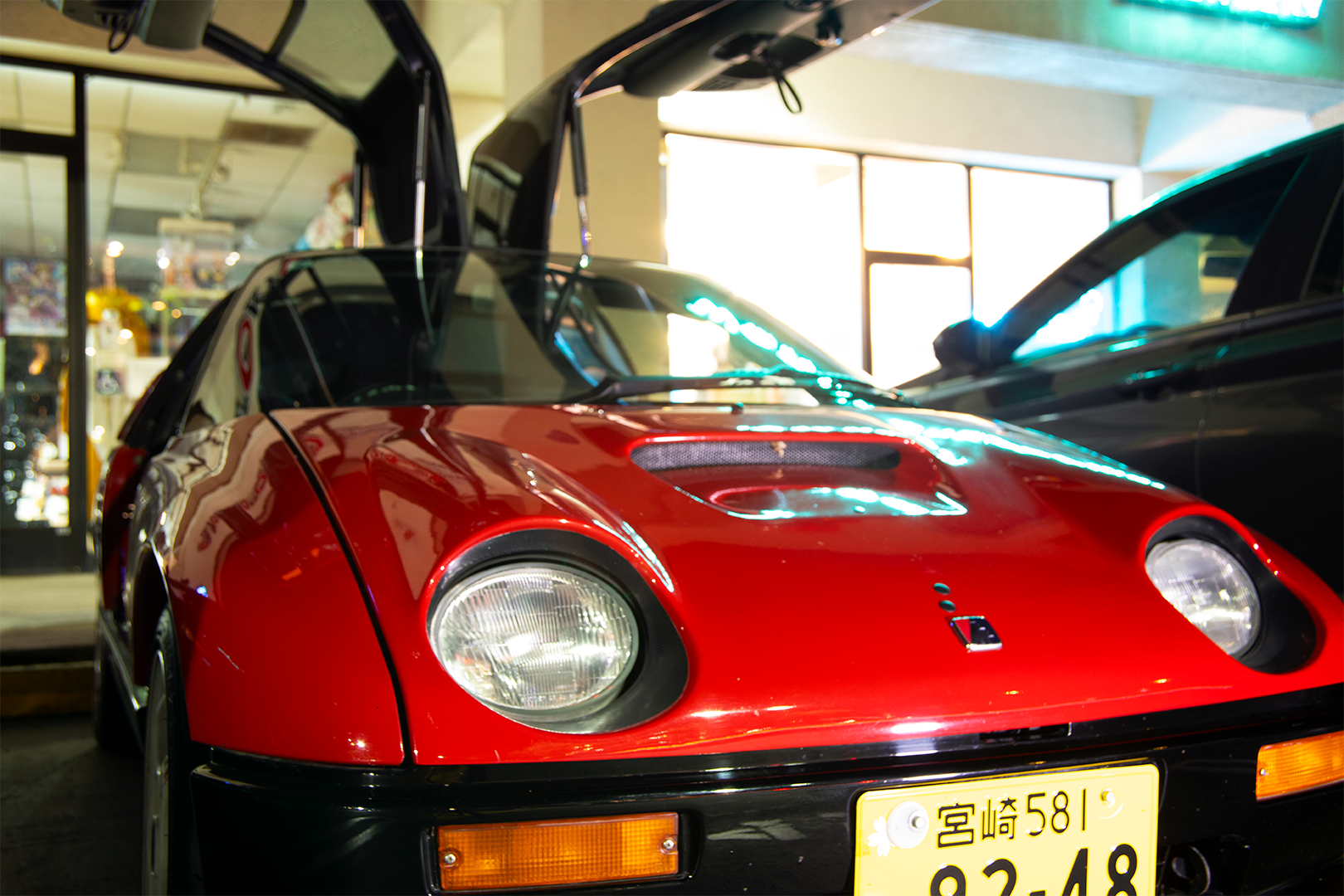
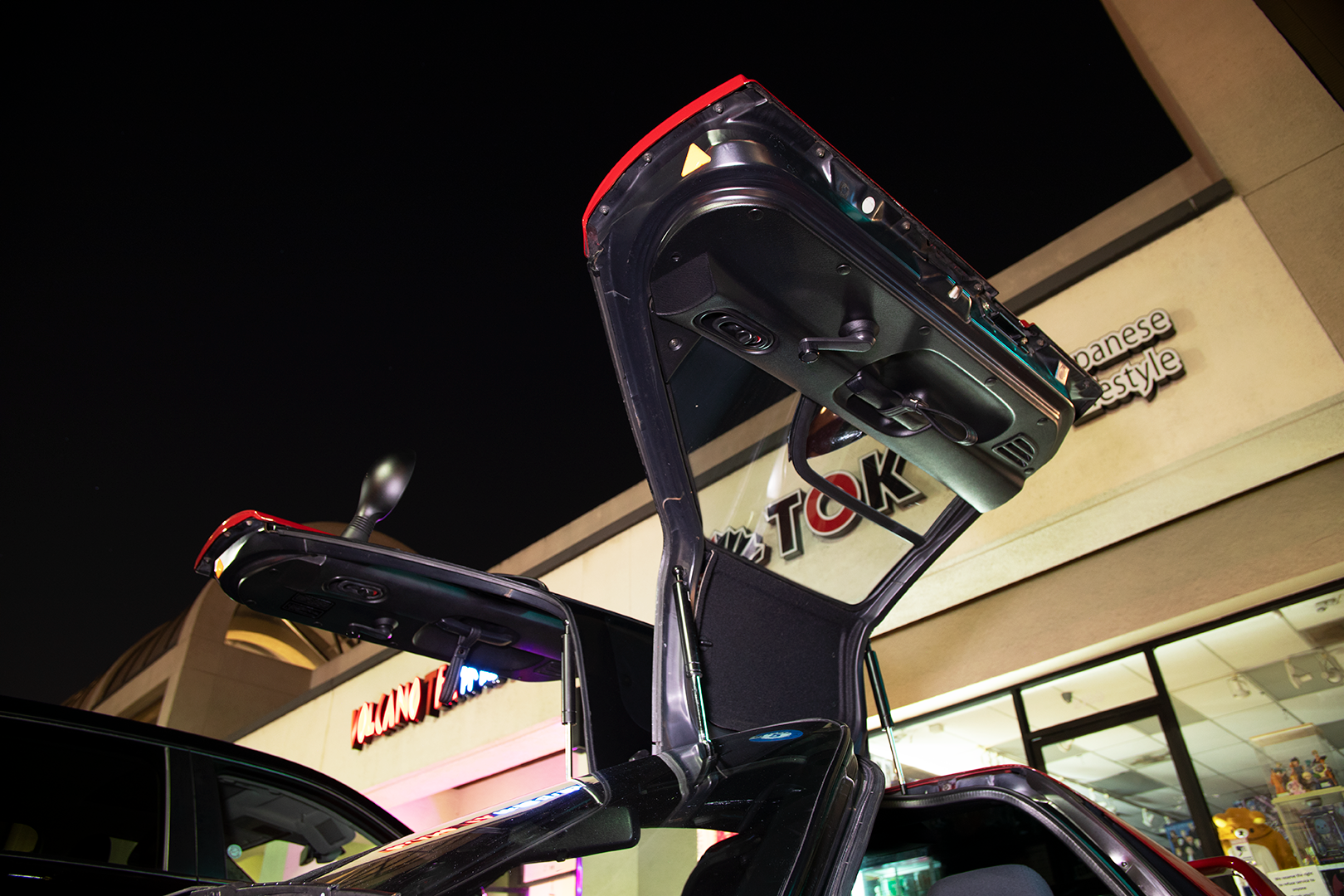
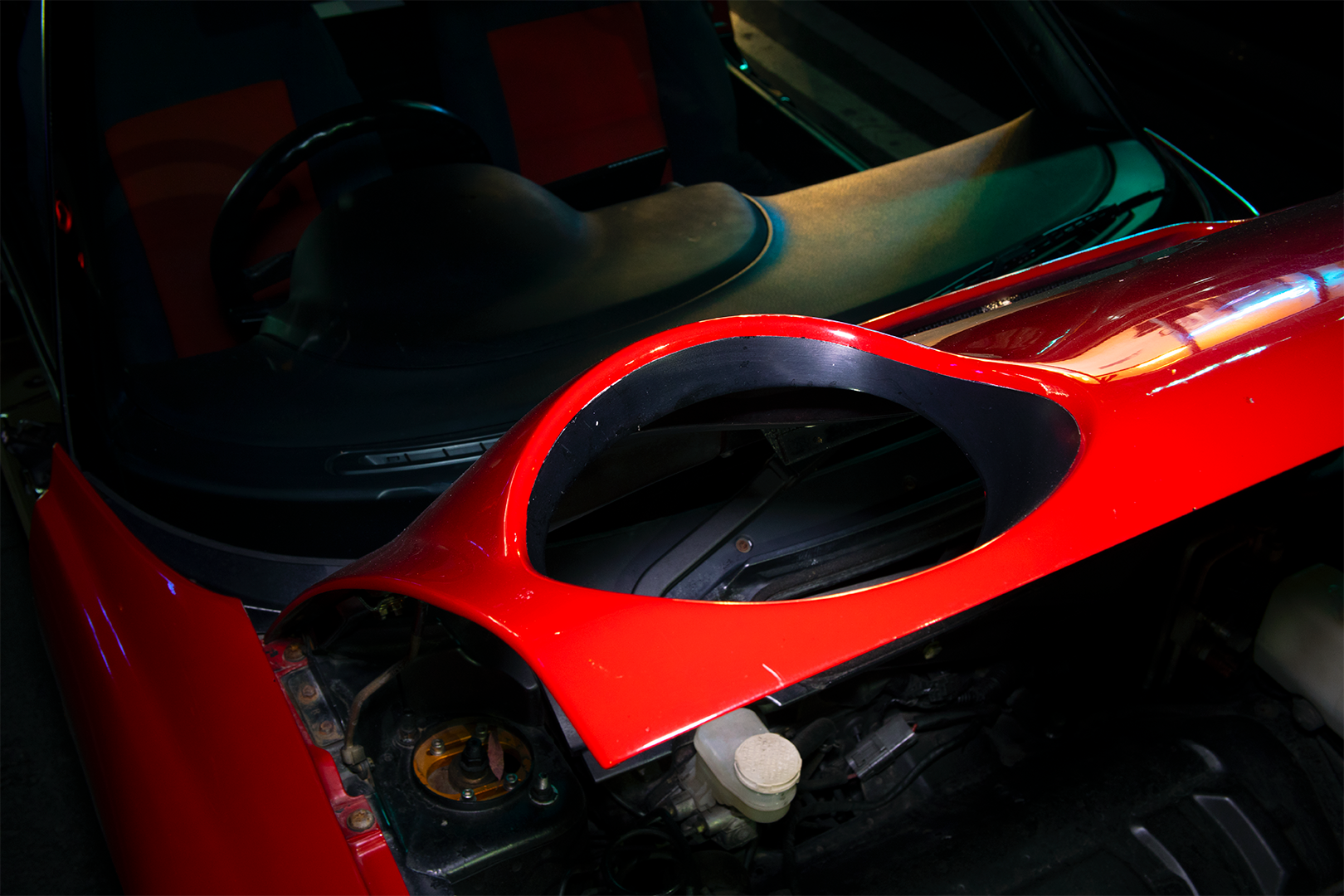
The Owner of this car picked it up in Japan near Miyazaki, and drove the car in country for a time, having a real adventure. Along with a six-speed conversion with a LSD, they have fitted wheels from a Mitsubishi Evo III. This may go some way toward curing the car’s oft-criticized handling. The steering is incredibly sharp, and the front end carries only about 45% of the car’s weight, so it turns very immediately. Measure your inputs and stay within the limit and it’s secure. Overstep things, or fling it a little harder, and once the weight at the back starts to move, it can be a handful to get back in line. JGTC driver Manabu Orido took an example down Hot Version’s Touge course once, and complained he felt he was about to crash the whole time.
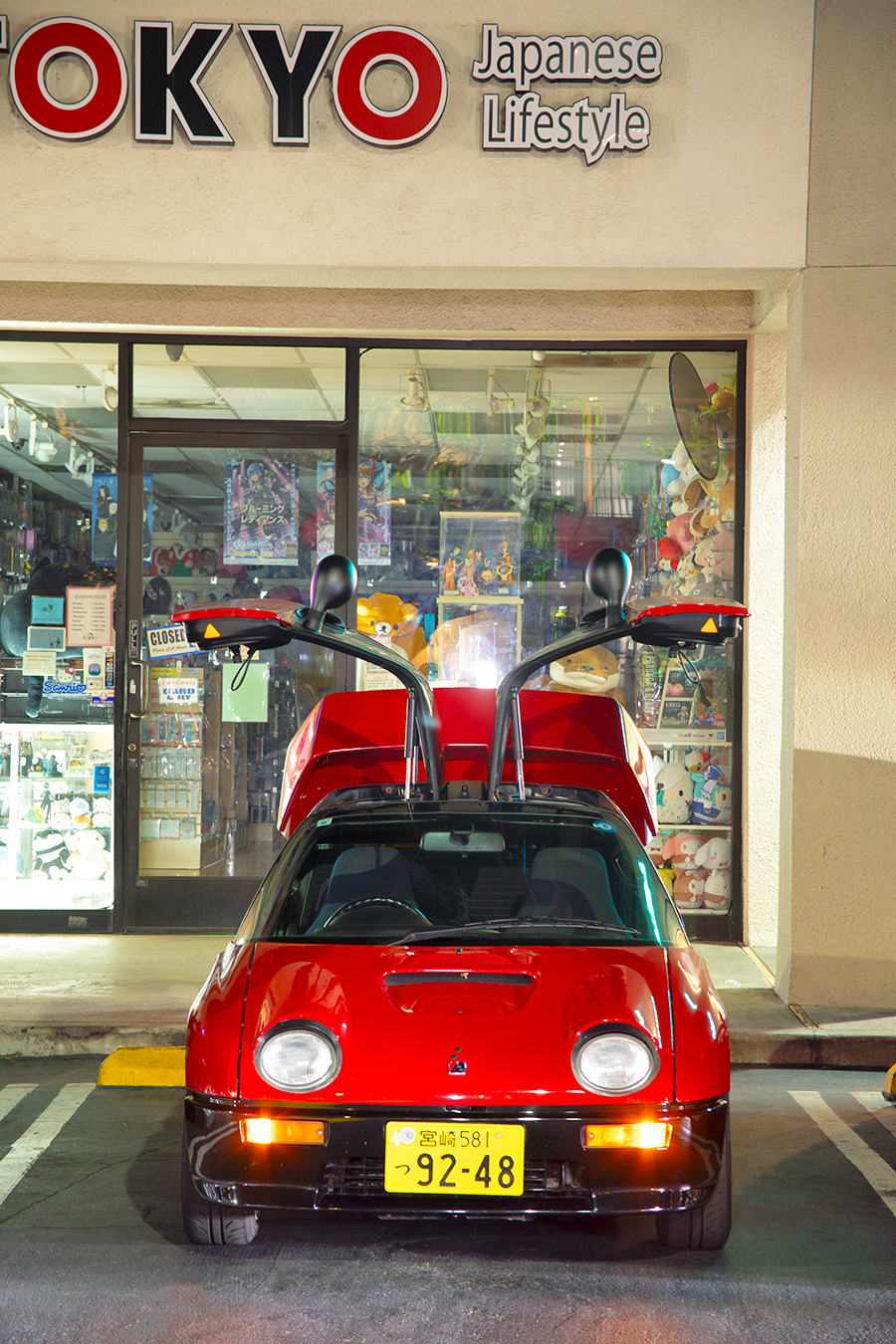
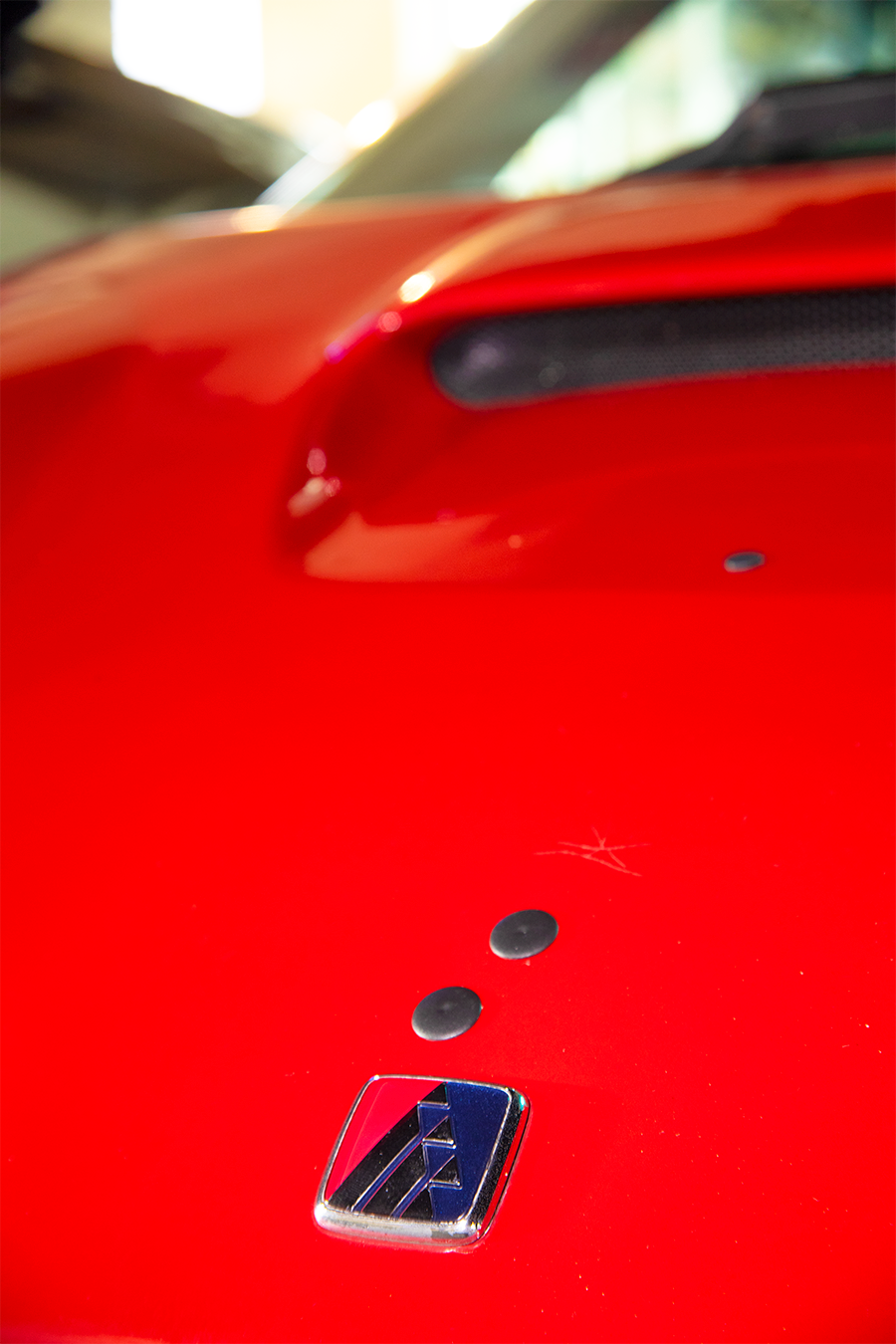
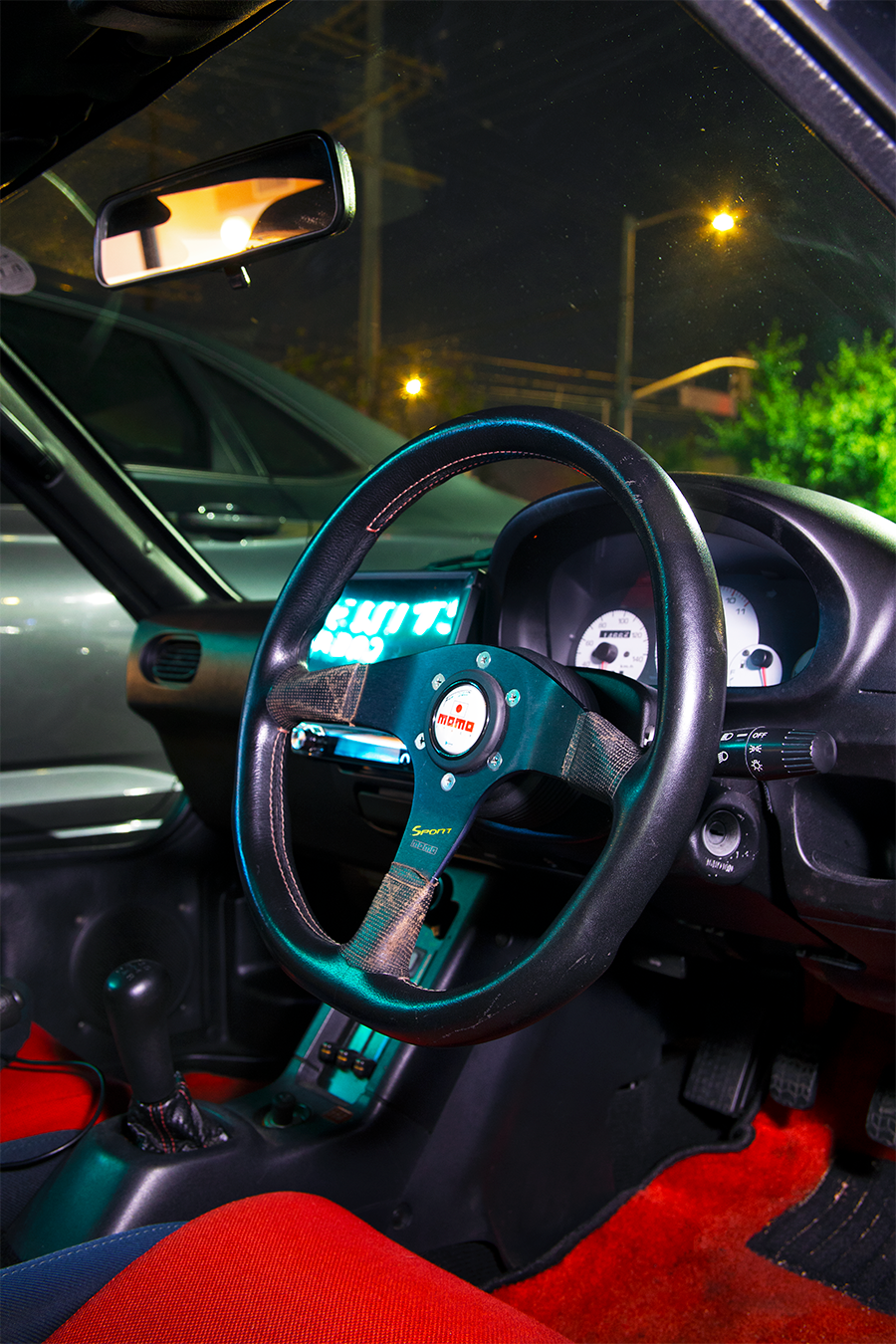
In the real world, such things barely matter with a car like this. The owner reckons it’s “Definitely a keeper!” and well, you can see why. It’s just…neat. It is wonderfully Japanese, managing to perfectly straddle the line between a Macross Valkyrie and a Pokemon. More seriously, it manages something almost no really small mid-engine car does. It has good proportions. The glasshouse doesn’t sit awkwardly atop the body, it fits perfectly. Even a DeTomaso Vallelunga doesn’t quite manage that trick.
People have begun bringing these into the US in relative droves. Fun, cheap, and a guarantee of Cars & Coffee stardom, they’ll never be common anywhere, as Mazda only tuned out 4200 of them.
No wonder everyone seems to want one.

Photo by Owner, Vic
Alex Choi (pictured) was not familiar with the AZ-1 upon spotting!
1990 BMW Z1 •

Getting In-N-Out
Owner Mo shows the entry process
Pretty, isn’t it? Such a wonderful, flowing little wedge. It’s a shame more people don’t take pictures of the BMW Z1 with the doors closed. There’s a lovely, fluid aspect to how the front fender connects to the door top, creating a wave-trough-wave effect linking the two ends of the car. The disappearing top with its ridged cover ensures there’s no unsightly interruption of the profile.
It’s understandable though; designer Harm Lagaay made sure the doors themselves would always be the car’s main talking point. A German engineered hook-shot (or hockey stick, perhaps) to the forward sliding, hidden contraptions on the Kaiser Darrin of 1954, these are electric in operation, and actually tilt slightly under the chassis when dropped into the open position; the sills famously offering impact protection even with the doors open. Practical? Not exactly, though I guess there’s something to leaving them open when hopping in and out around Montecarlo or Nice. Lightweight? Hardly. What they did was give BMW’s first roadster in over thirty years instant personality and avant-garde appeal.
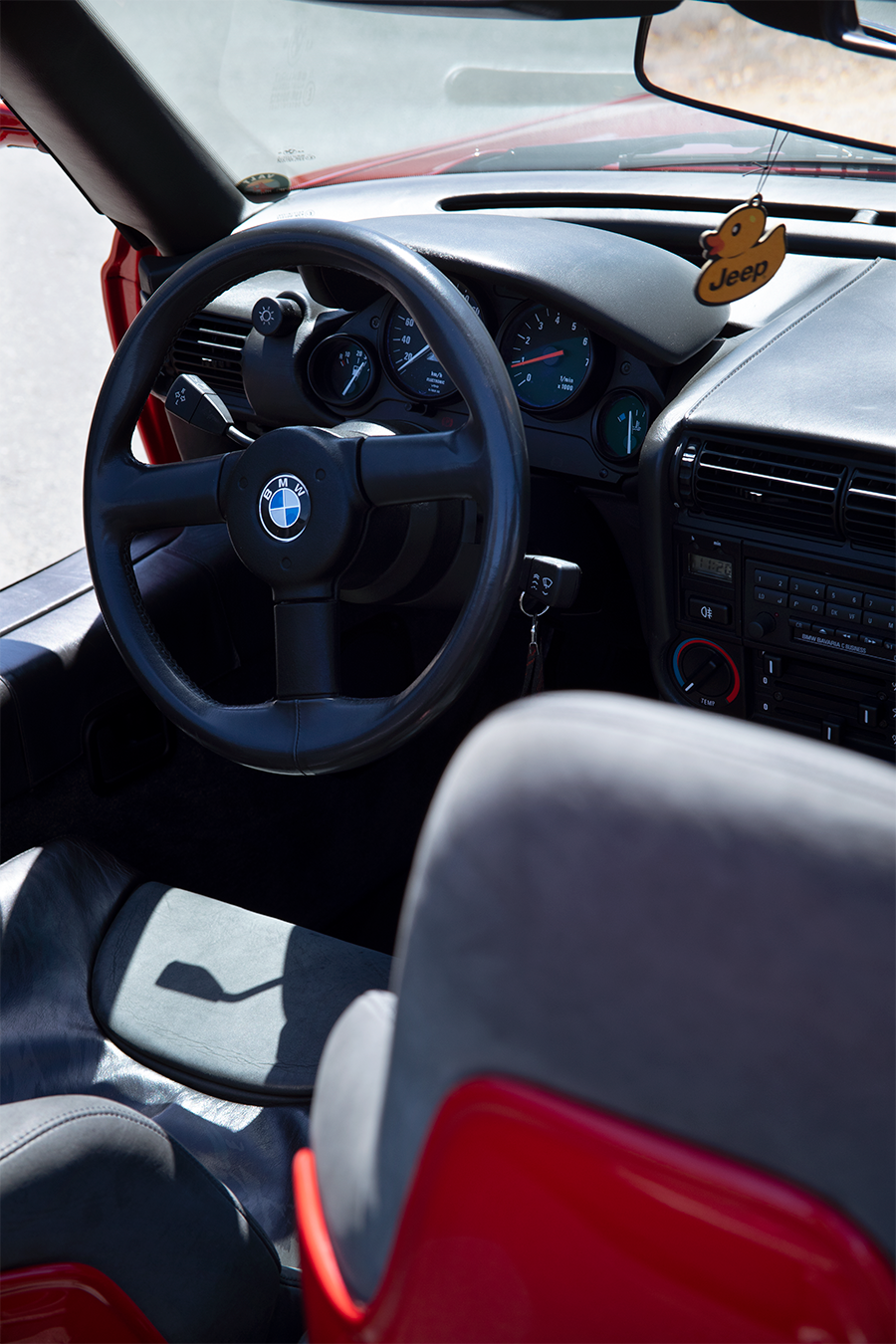
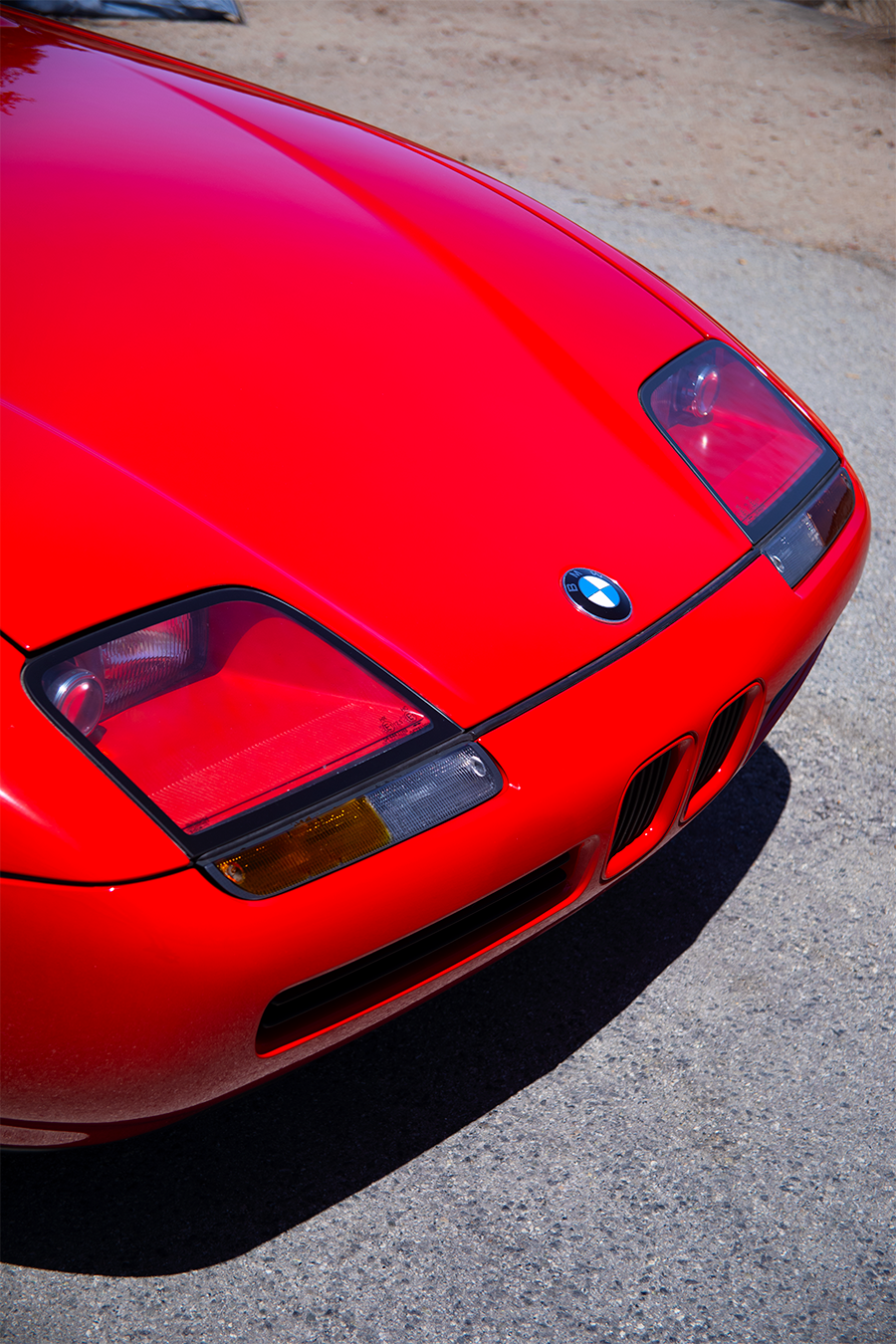
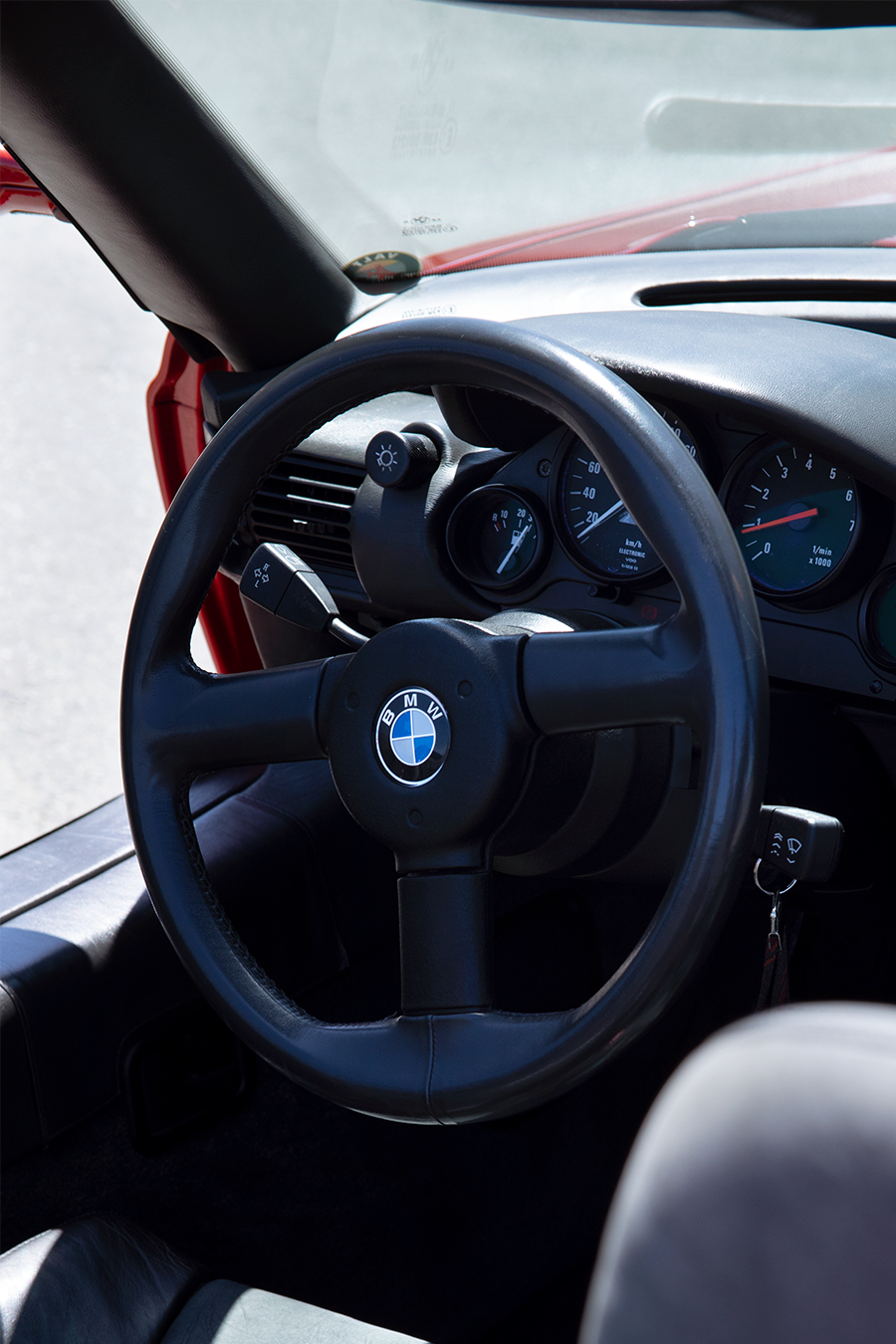
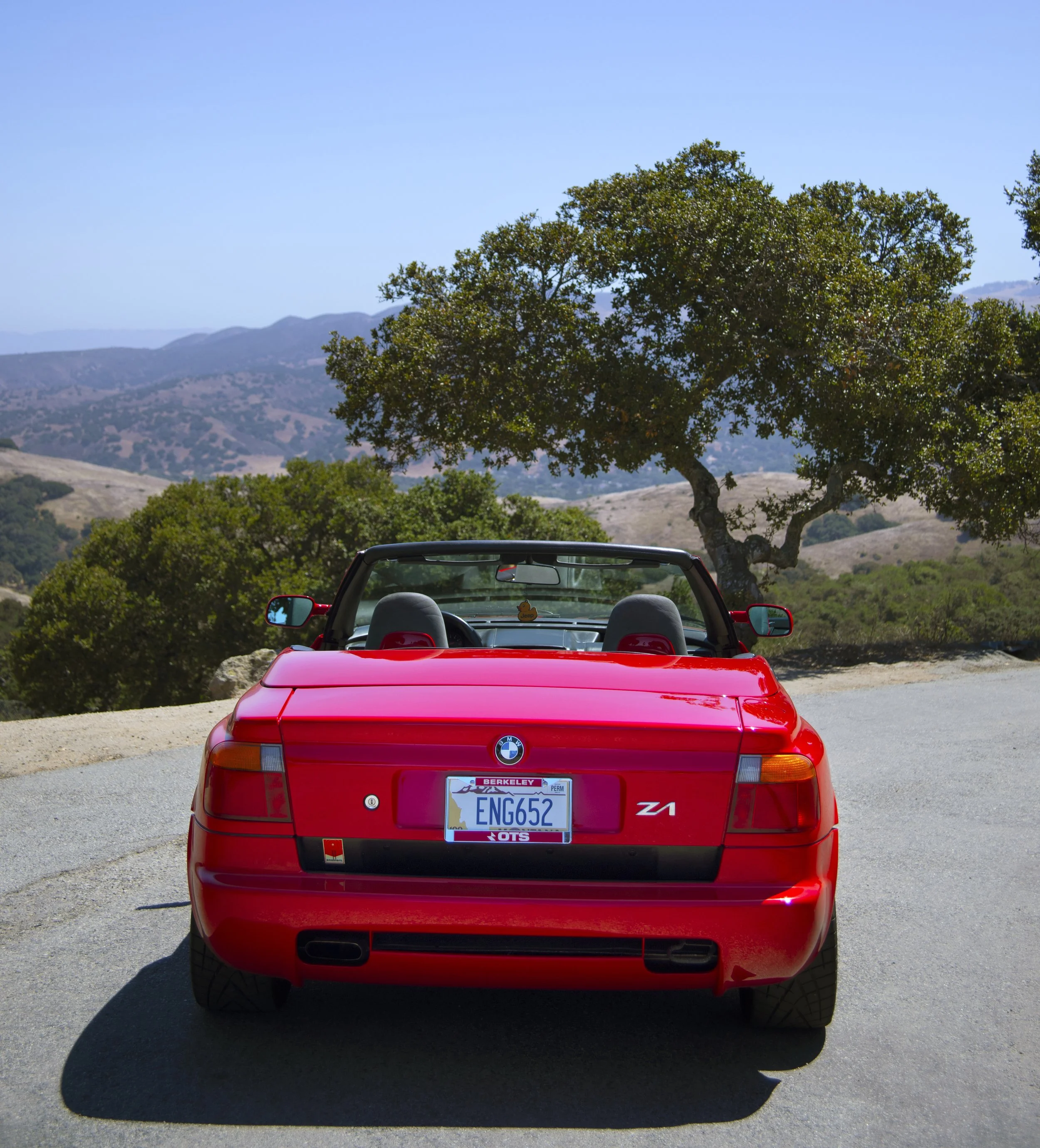
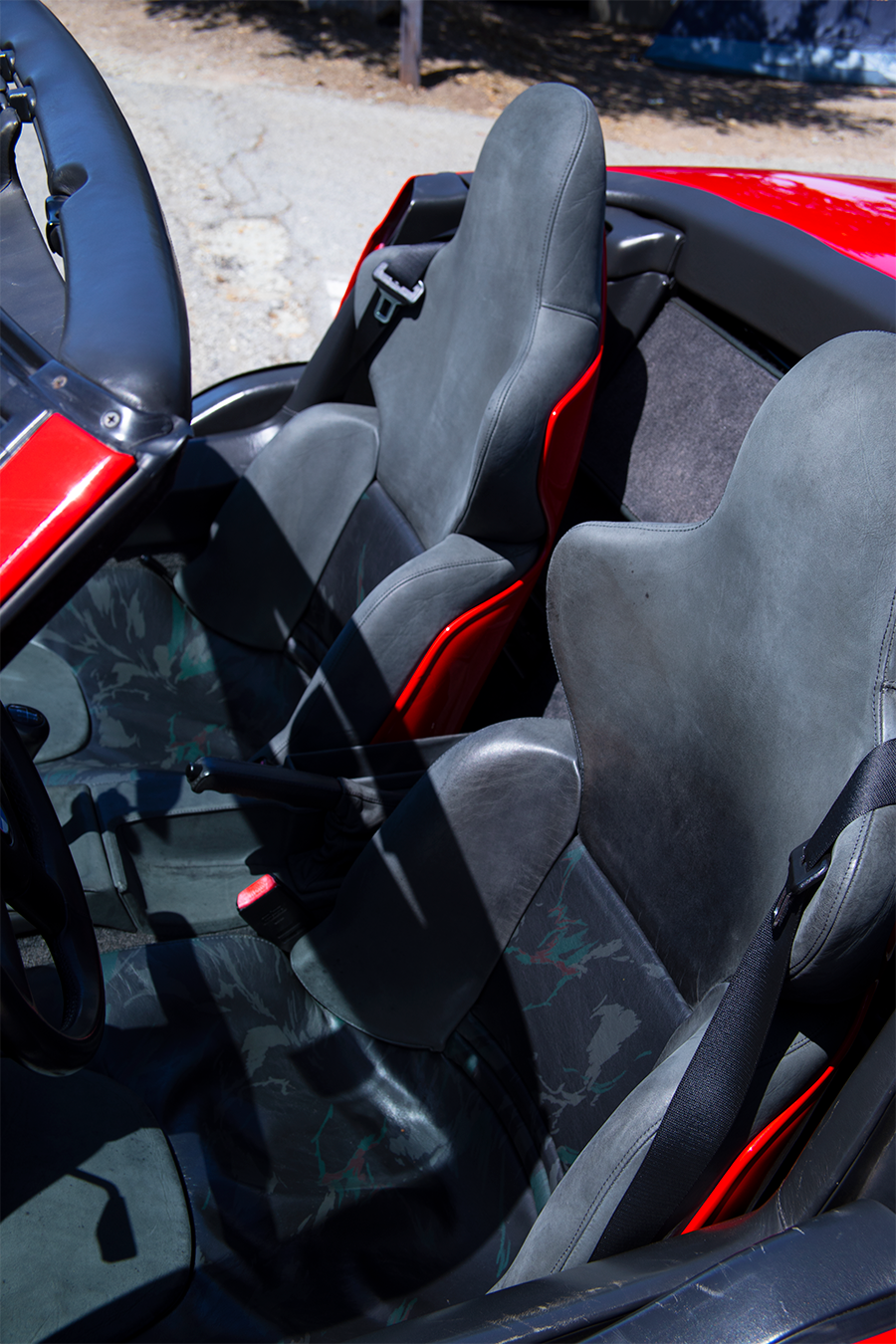
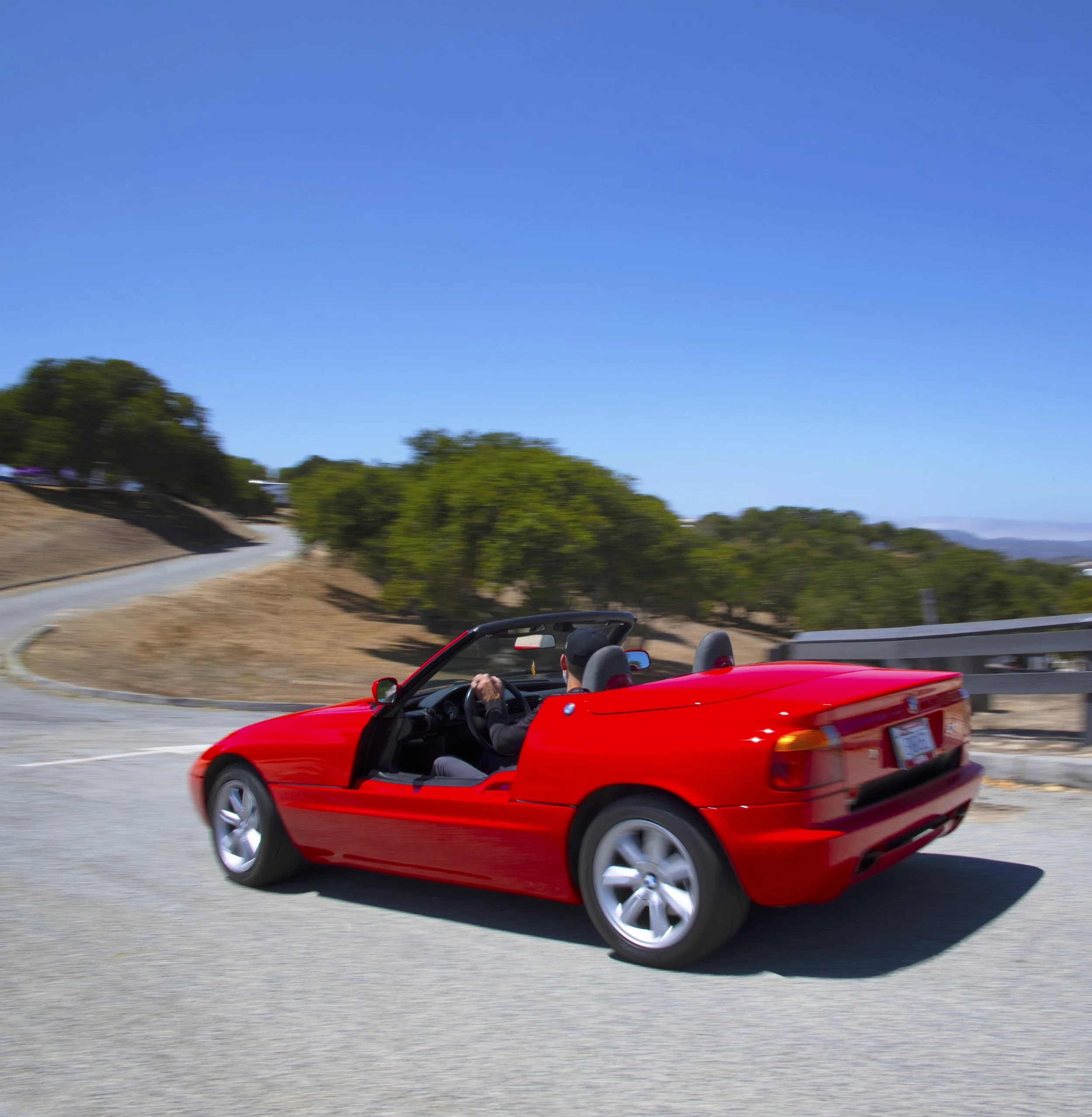
It’s an appeal none of the Z1’s successors, from the oversold and under-loved Z3, to the gorgeous, undersold Z8, to the seemingly endless succession of Z4s (With the arguable exception of the current car) has matched. All of those cars have been in some way or other retro pastiche; BMW finding its way forward by looking back to their own 1956 stylistic triumph, the 507. The Z1, whether you love it or not, was at least a car with its eyes fixed firmly on the future. I didn't know until I started reading up for this piece, but the Z in the name stands for “Zukunft” which translates to Future. Ironically this is the only Z car BMW ever built that seems particularly bothered with the notion. Its rising wedge shape, flowing contours, and extremely long hood/short tail proportions owning little to anything in BMW’s back catalogue.
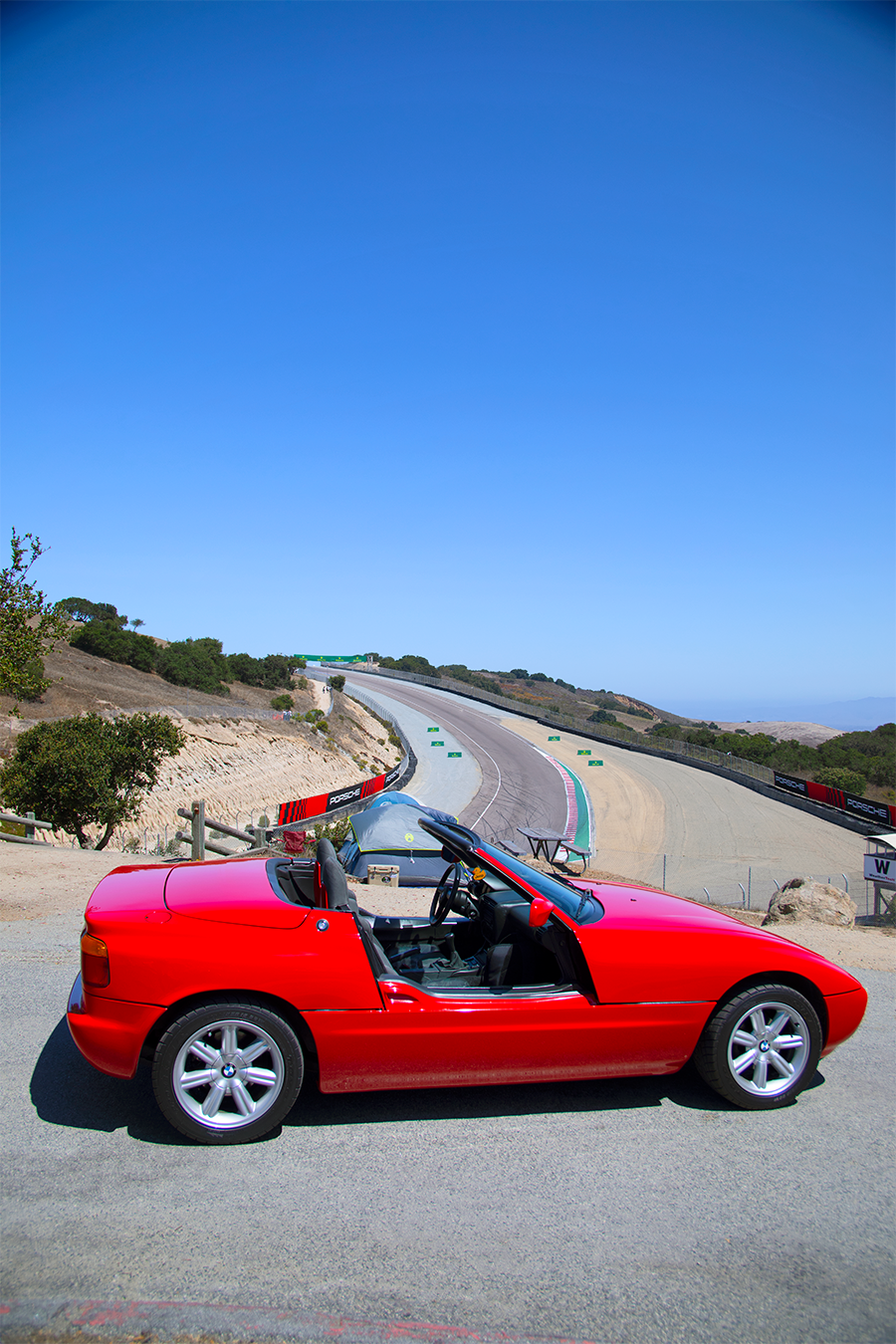
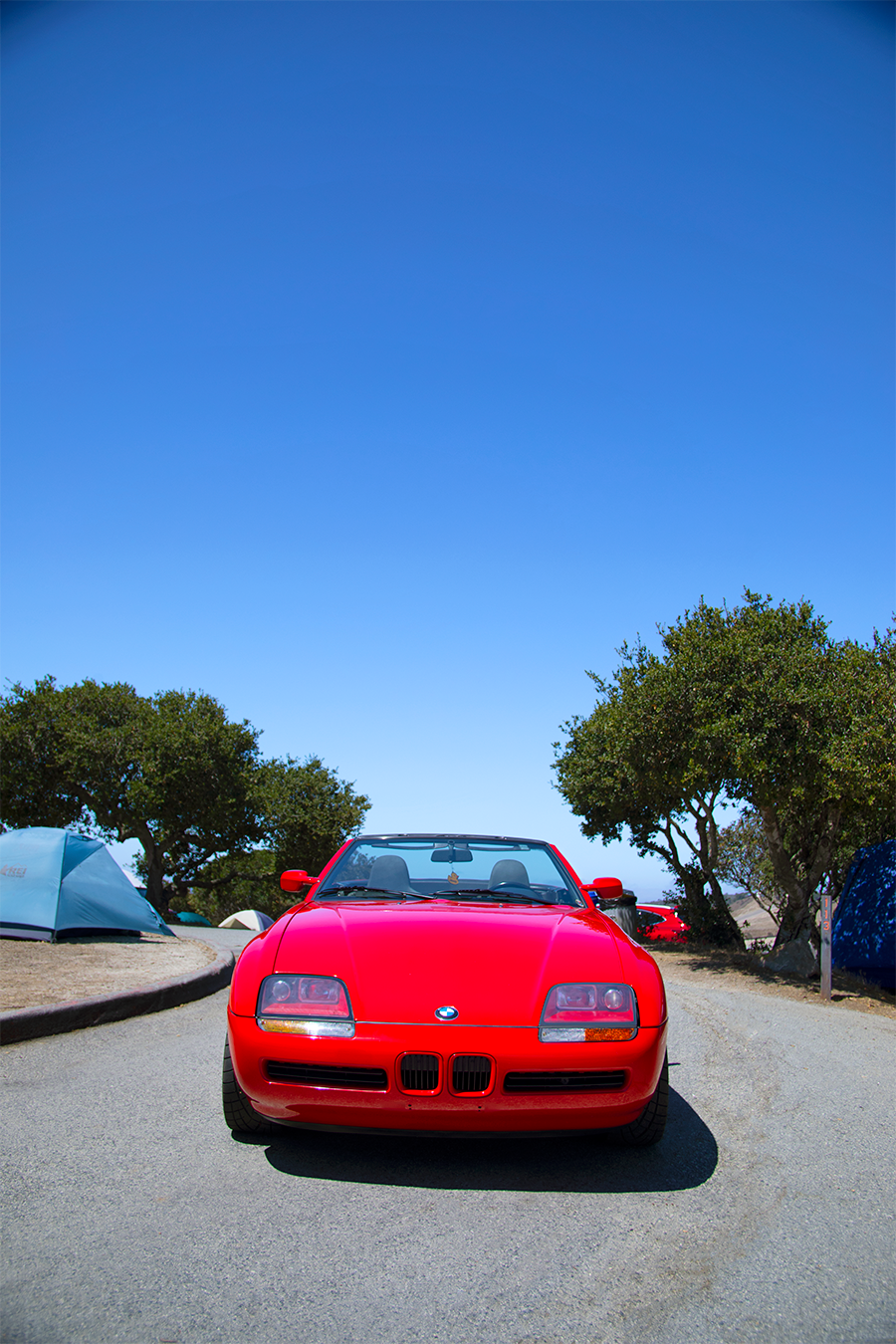
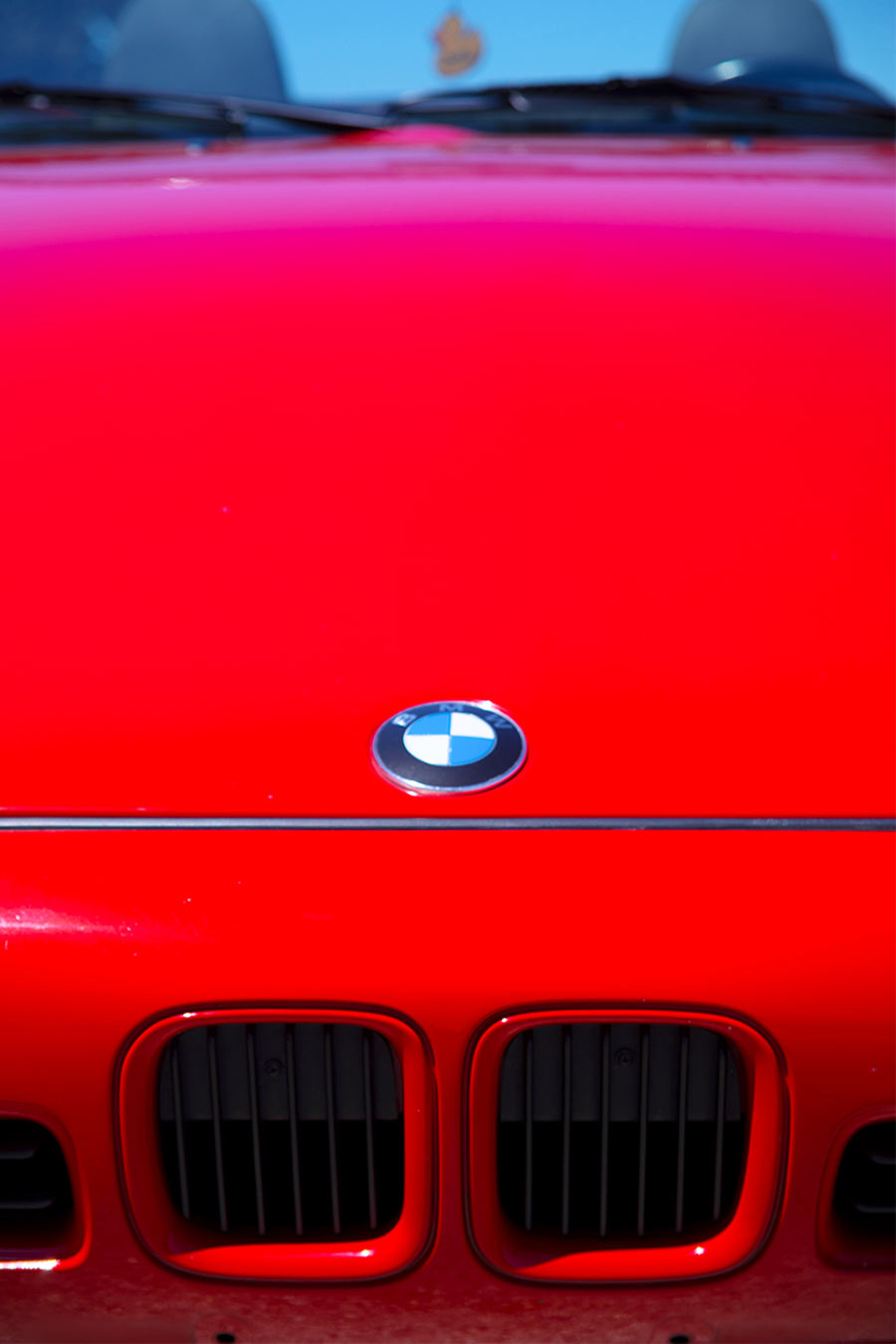
The theme continues beyond the styling. Z1’s construction is similar to that of Pontiac’s unloved innovator, the Fiero; the plastic panels are unstressed, and simply bolted to the rolling chassis. The floor is flat in the interest of aerodynamics. The rear suspension uses BMW’s “Z-Axle” multilink design.
The Z3 would revert to E30 style semi-trailing arms in the name of reduced construction cost. It was part of a shift to a far more conventional car. The styling would be a direct reference to the 507 Roadster with rounded hips, and a new signature row of vents in the front fender. It was an instant hit, moving nearly 300,000 units in eight years of production. By comparison around 8,000 Z1s were built between ’89 and ’91.
The owner of this particular example must be something of a BMW fan as the car shares space in the collection with an E30 Touring. He rates the car highly as a runabout for in town use, but isn’t a huge fan of having it on the freeway. In the canyons it’s a car that holds it’s own, though it’s not his first choice. All of this jives with reviews at the time, and is reflective of the cars intended use. Far from a super-serious knuckle bruiser of a sports car, it’s a joy factory, pure and simple. With the top and doors down and the sun shining it should melt your cares away and let you simply enjoy driving as long as you’re willing to abandon any higher aspirations. And when you get to the end of your journey you can get out and look back at one of the last times BMW bothered to look forward.
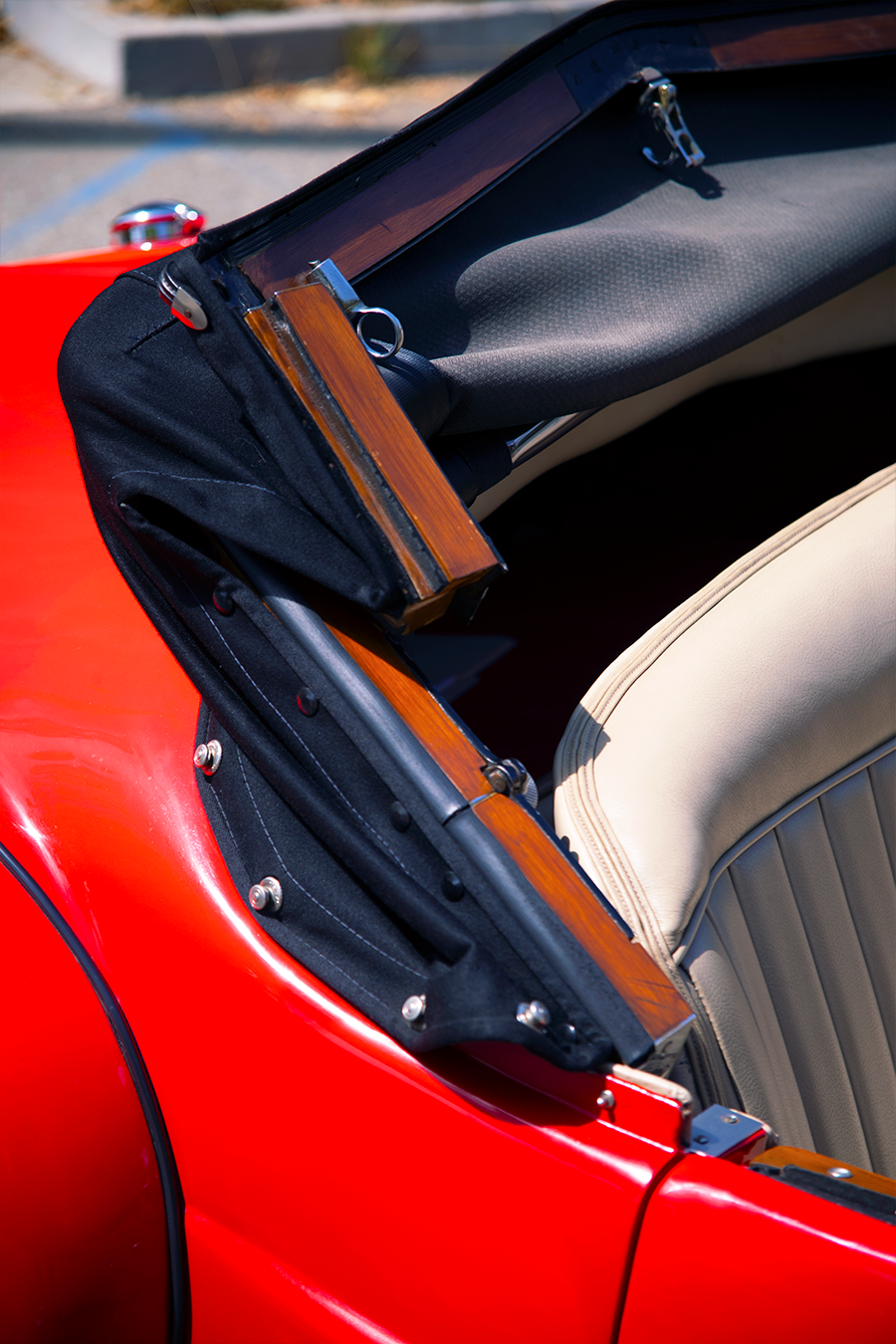
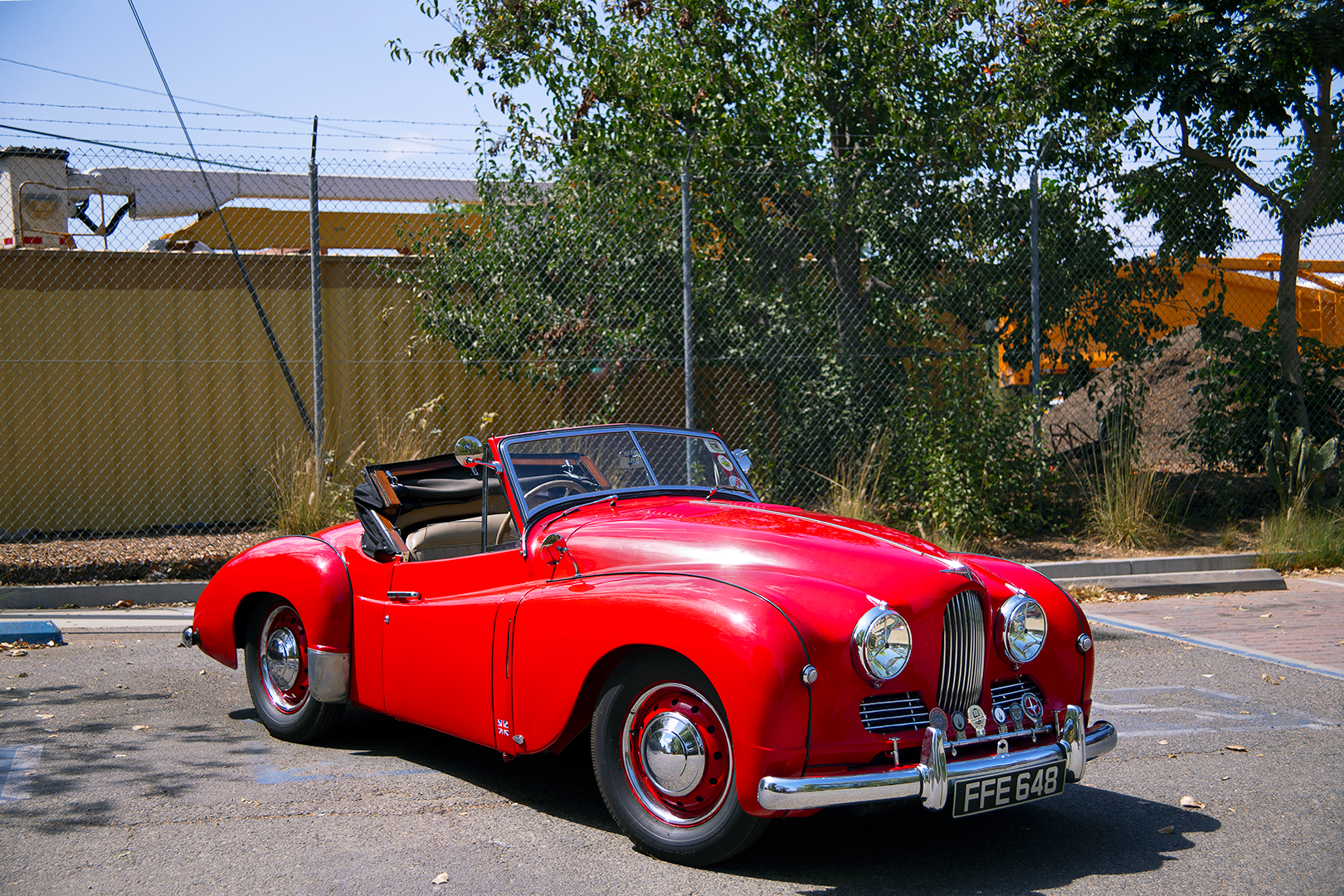
1954 Jowett Jupiter •
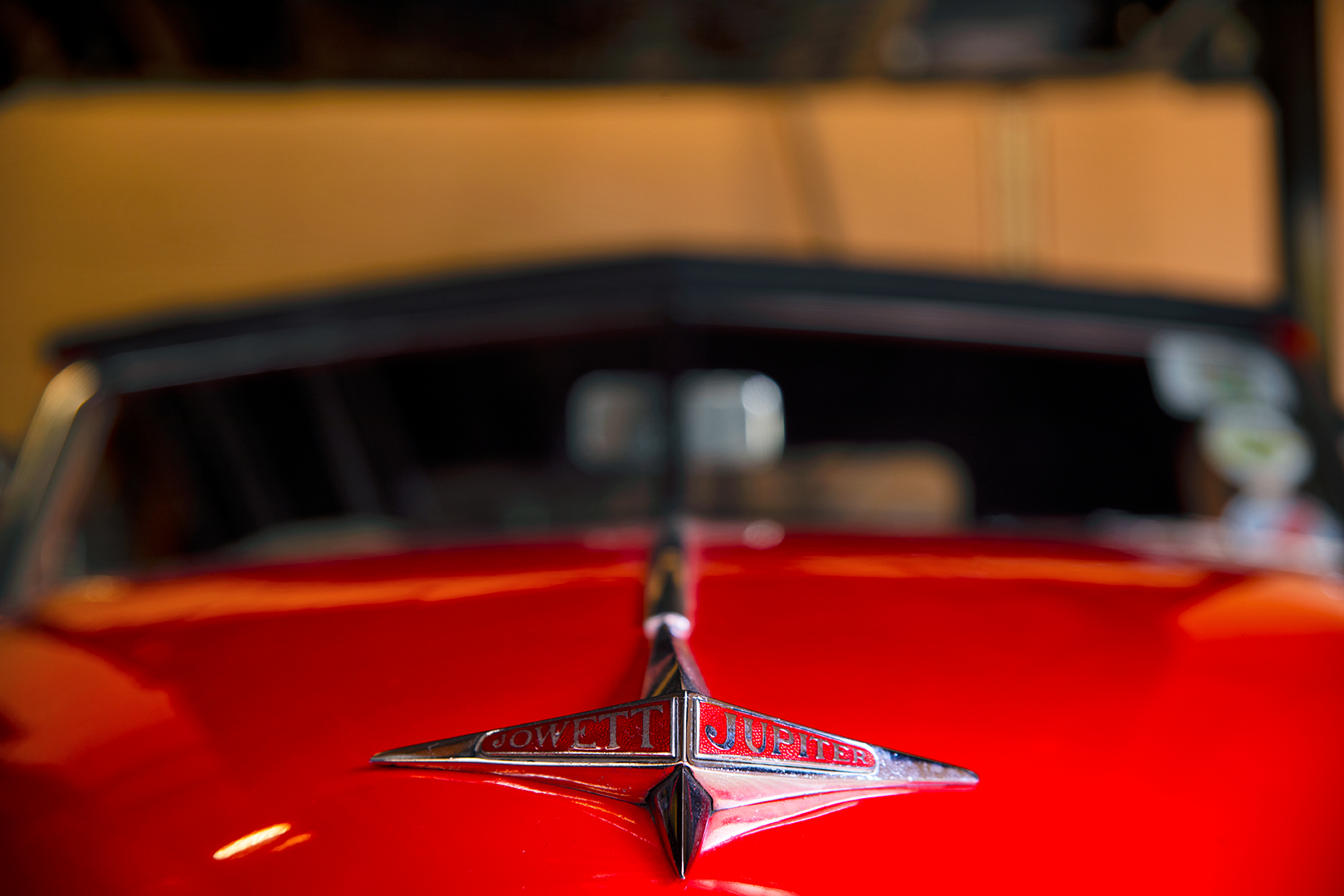
Owned by Bill Mahoney
aka The Subaru Coop
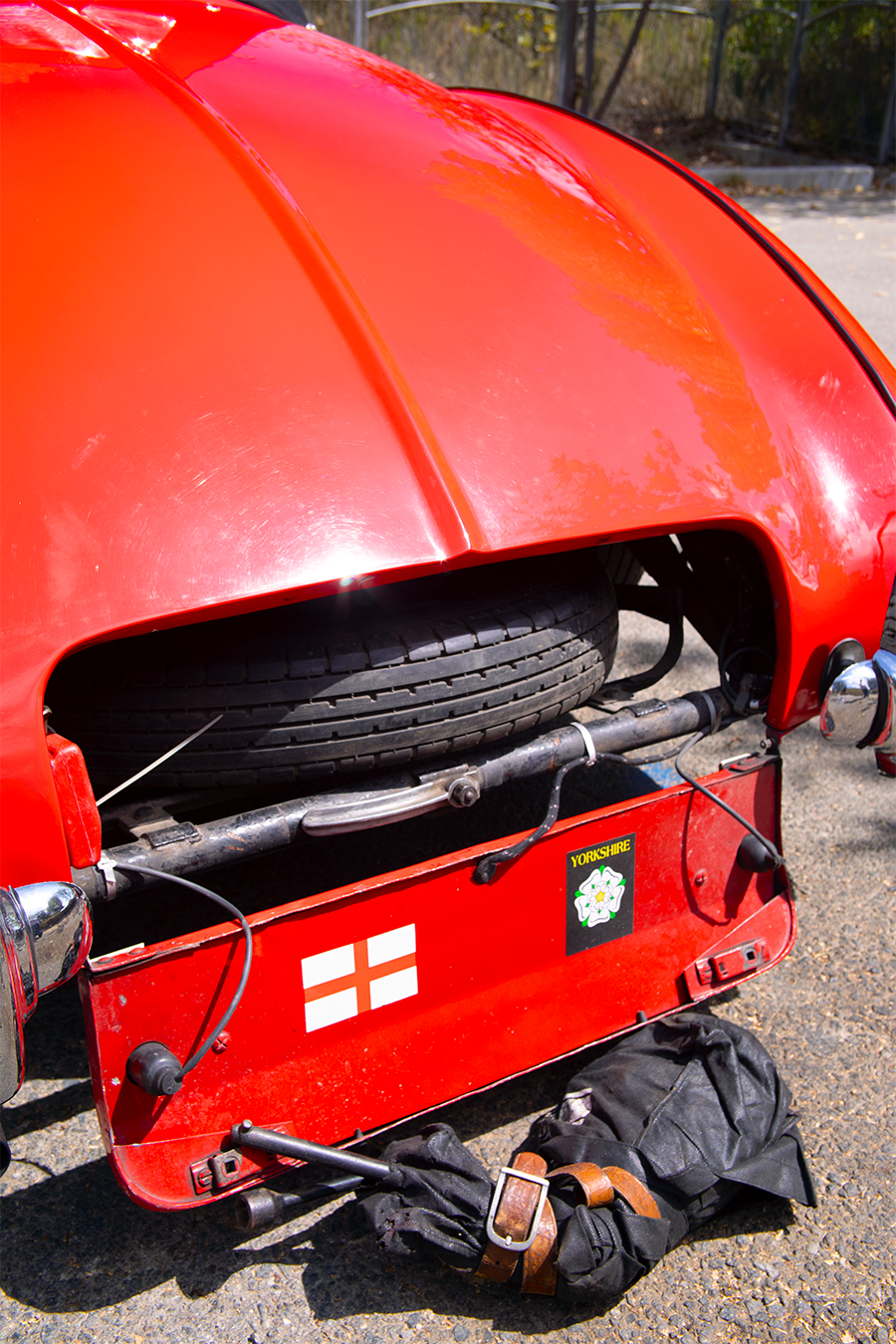
First things first; what the heck is a “Jowett”? Well, according to McAuley and Nankivell’s excellent tome on the marque, it is most likely a diminutive of the name Juliana in the medieval York dialect. So…that’s how that happened.
The Jupiter nameplate for its part seems to have been the suggestion of no less than Lawrence Pomeroy, motoring journalist, author of The Grand Prix Car, and part of the English Racing Automobiles (ERA) consortium who represented half of the initial impetus behind a conservative company like Jowett producing a rather voluptuous coach-built sports car in the early post-war Britain.
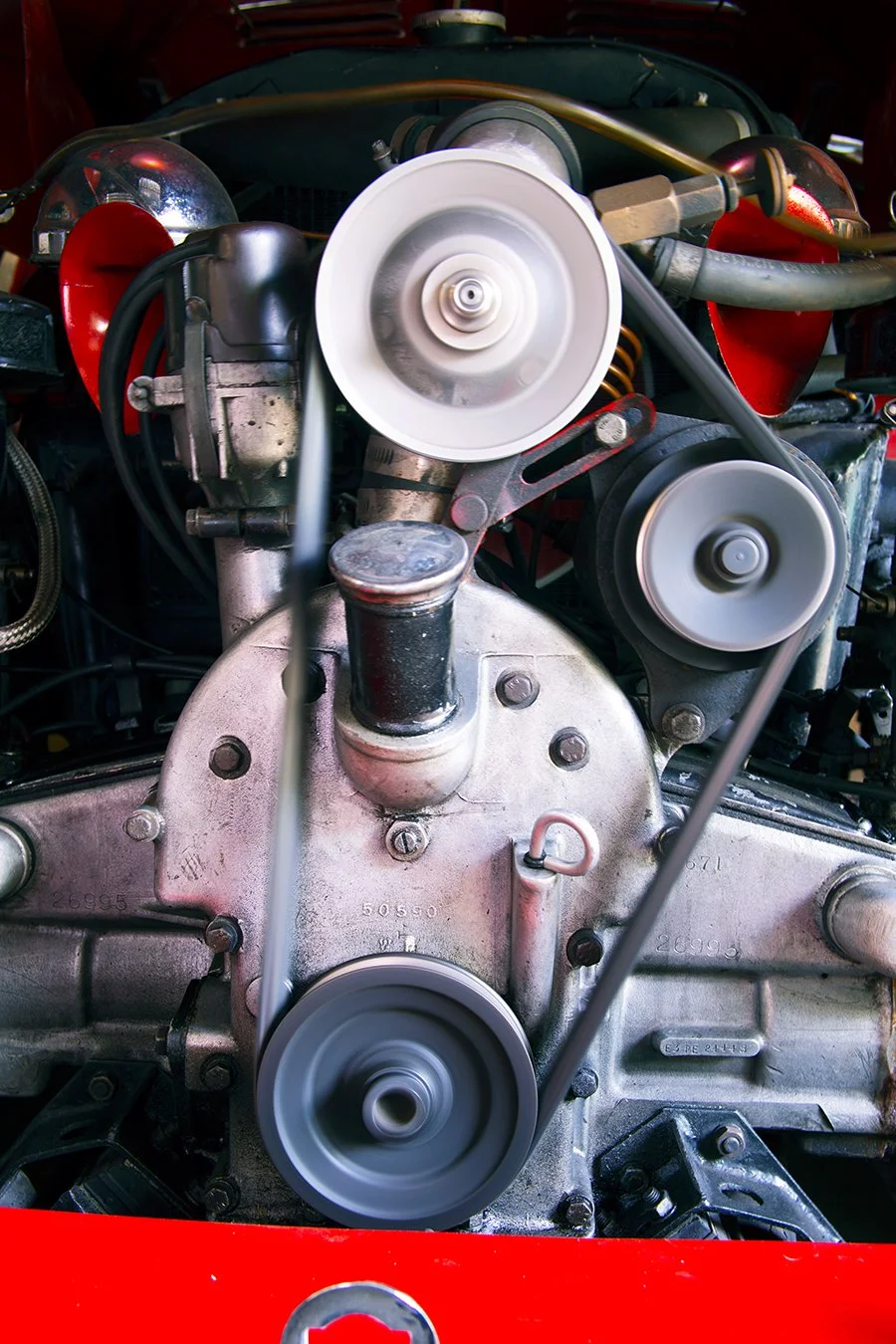
In the years after WWII, ERA had sold off their famed but obsolete Grand Prix cars and begun focusing on lesser formulae, notable F2. When Jowett’s clean-sheet Javelin (So many J names!) saloon car proved a far more sporting proposition than anyone including its designer Gerald Palmer expected, ERA took note and approached Jowett about using the Javelin’s 1486cc, water-cooled flat-four in a new chassis designed by Robert Eberan-Eberhorst of pre-war Auto-Union GP fame. Serious engineering muscle. The intended racing car was to be called the ERA-Javelin, but the chassis would also underpin a new sporting Jowett.
Jowett had never been a purveyor of sports cars, but they had a problem only such a car could solve. The Javelin was highly rated, and selling well in the home market, but they couldn’t purchase enough steel to build them. Post-war British policies of “export or die” made resources available to manufactures who built cars for the American market, and the Javelin had limited appeal to US buyers. The company looked at the MGs that had taken off overseas and had something of an epiphany. A roadster for the US could secure steel rations for the Javelin in the UK and Europe.
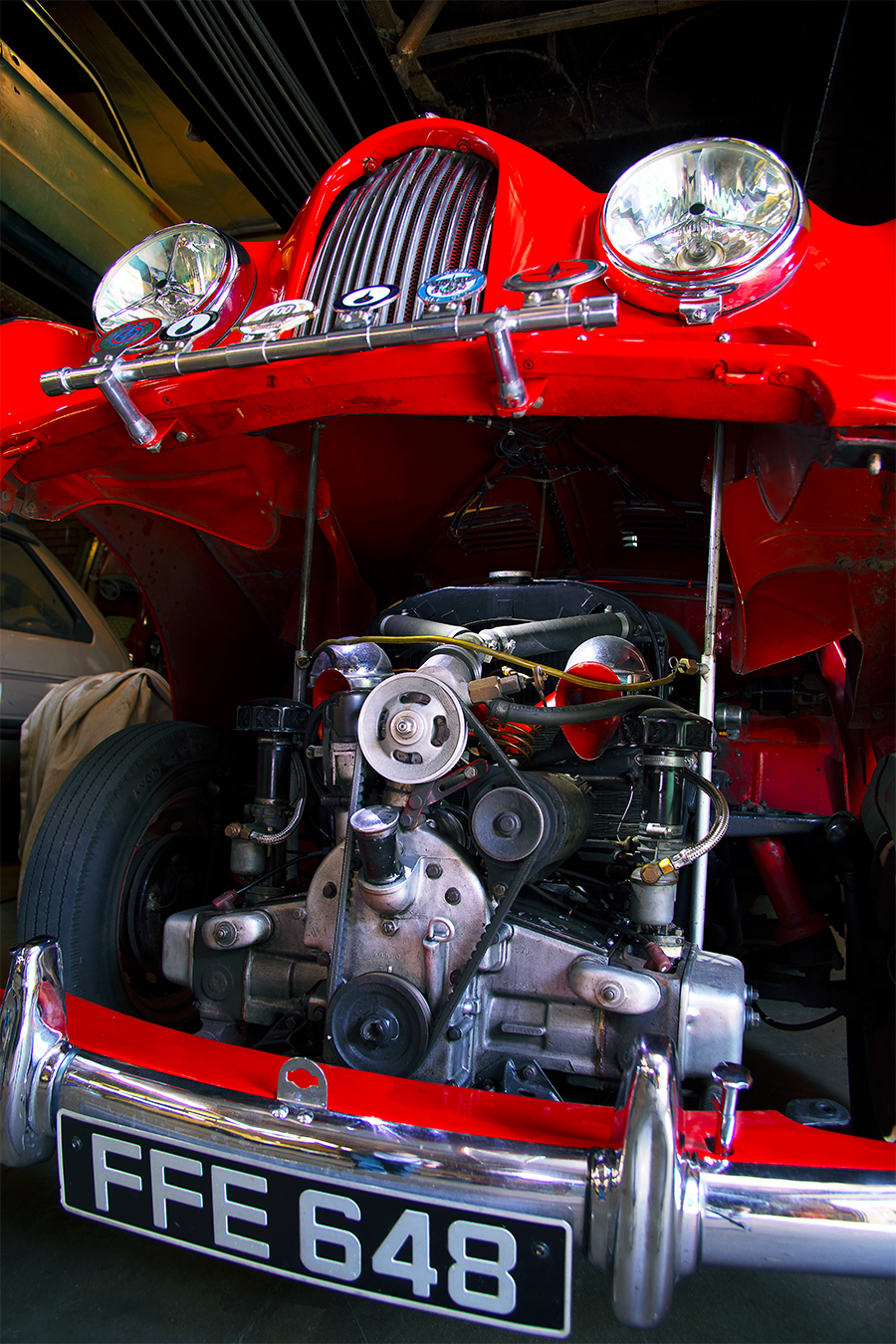
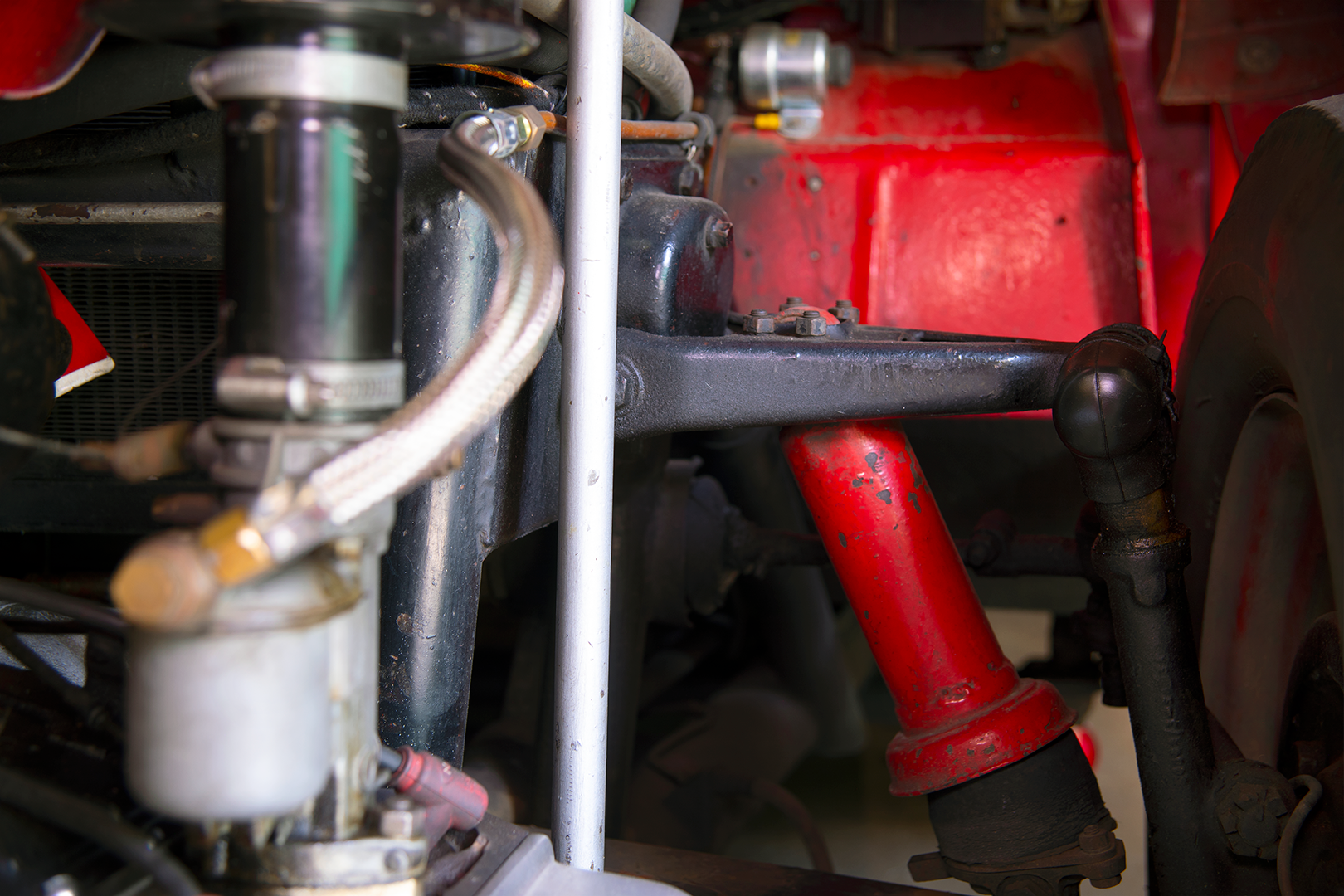
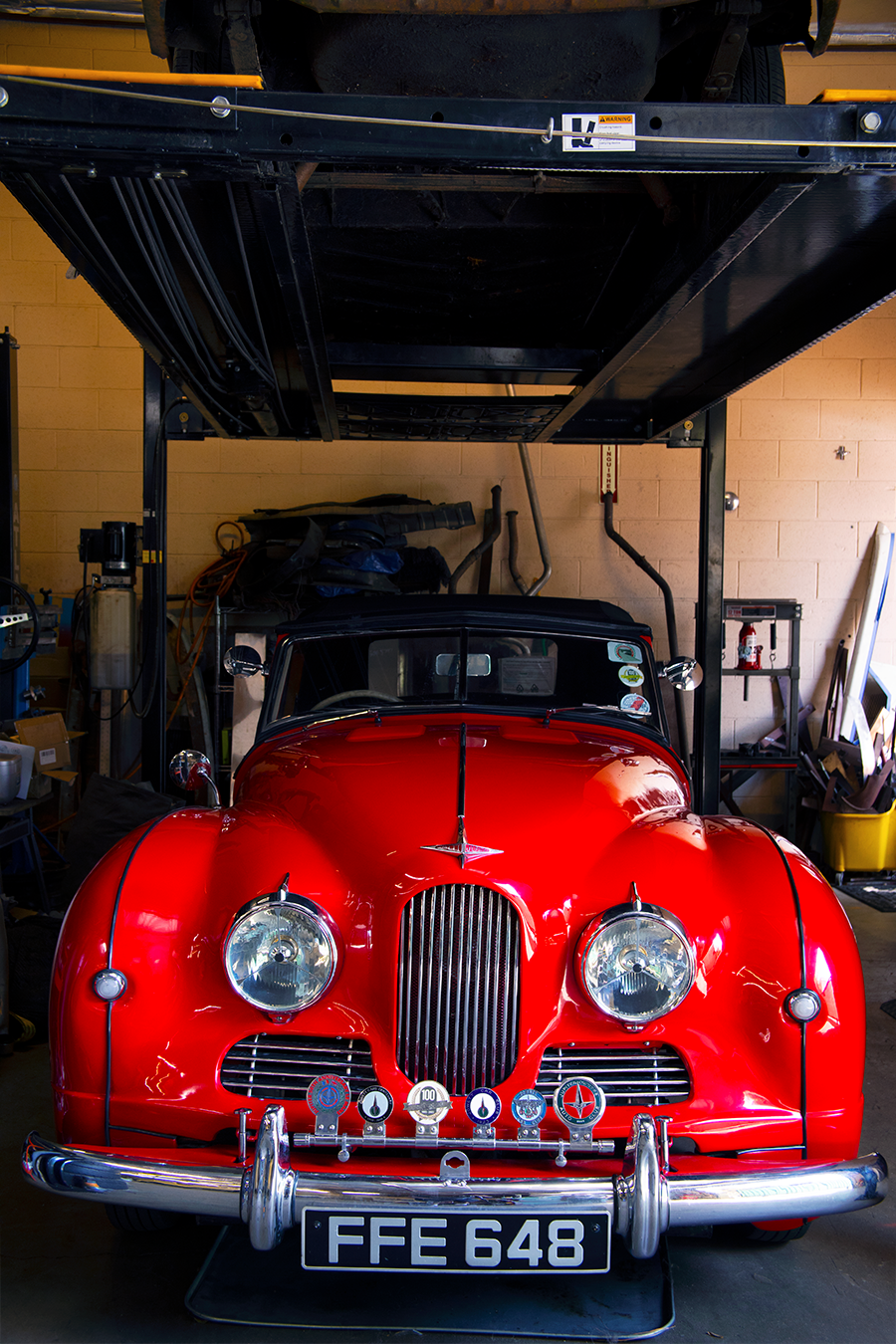
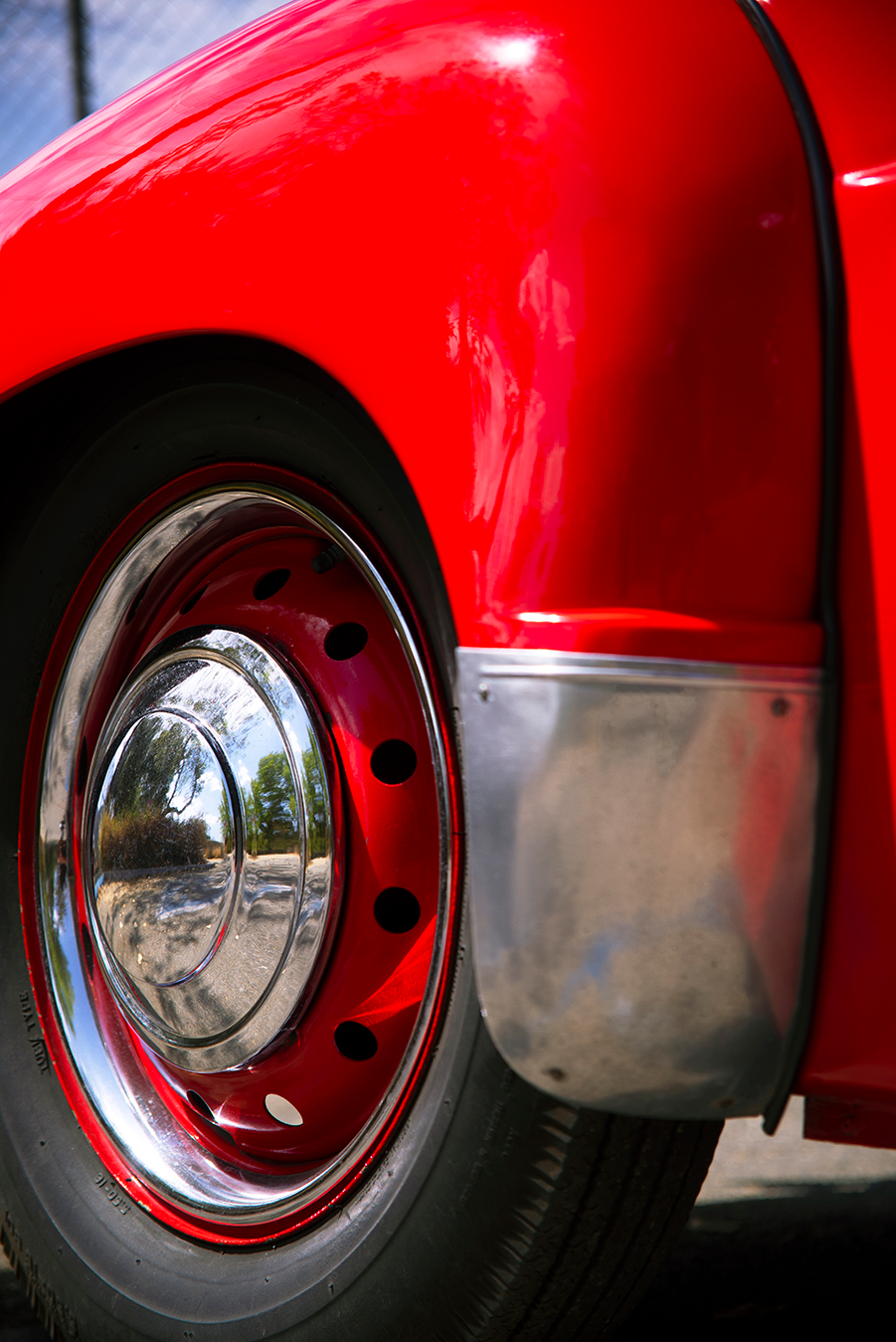
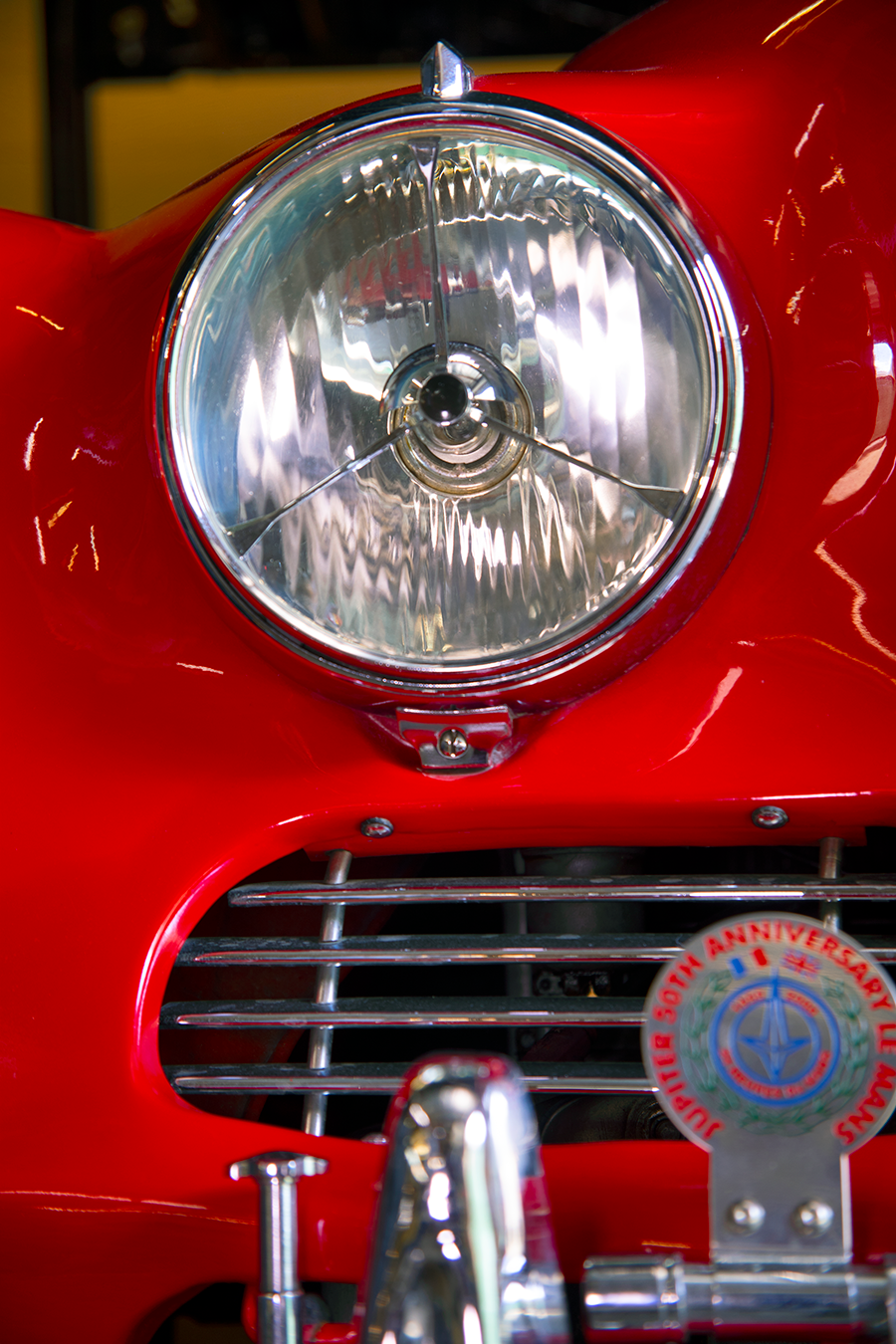
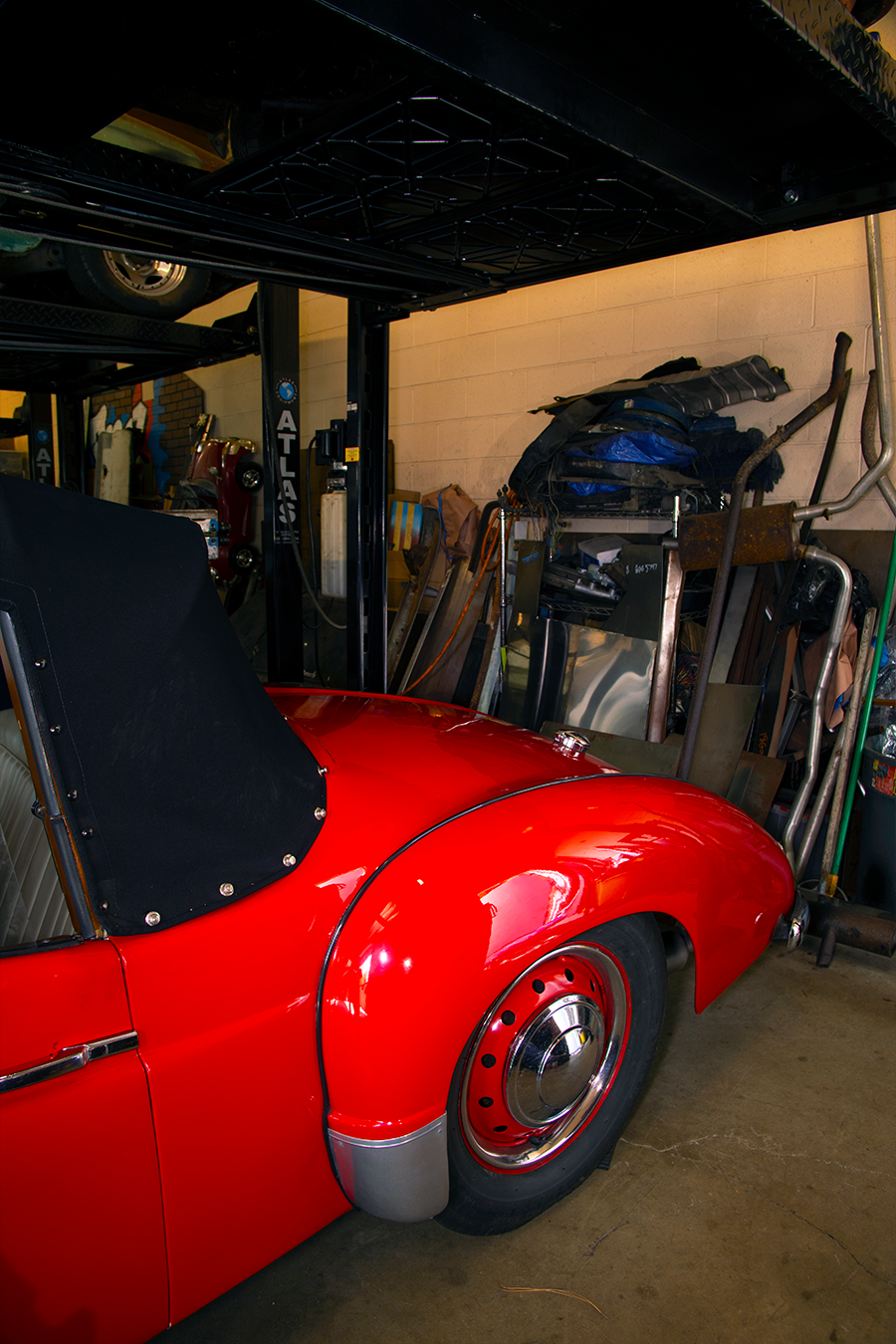
So, that’s the backstory. What’s the result? Well, it’s a chassis composed of straight tubes running front to back as traditional longerons joined by a large tubular X brace. The excellent torsion bar suspension (Unequal length wishbones at the front, a four-link live axle, with Panhard rod out back) from the Javelin is mounted to hefty triangulated structures front and rear. ERA’s rack and pinion system replaces the Javelin’s steering box. The powertrain is the same as the Javelin’s, with power increased to 60bhp. Even with its aluminum body, weight is c. 2,100lb.
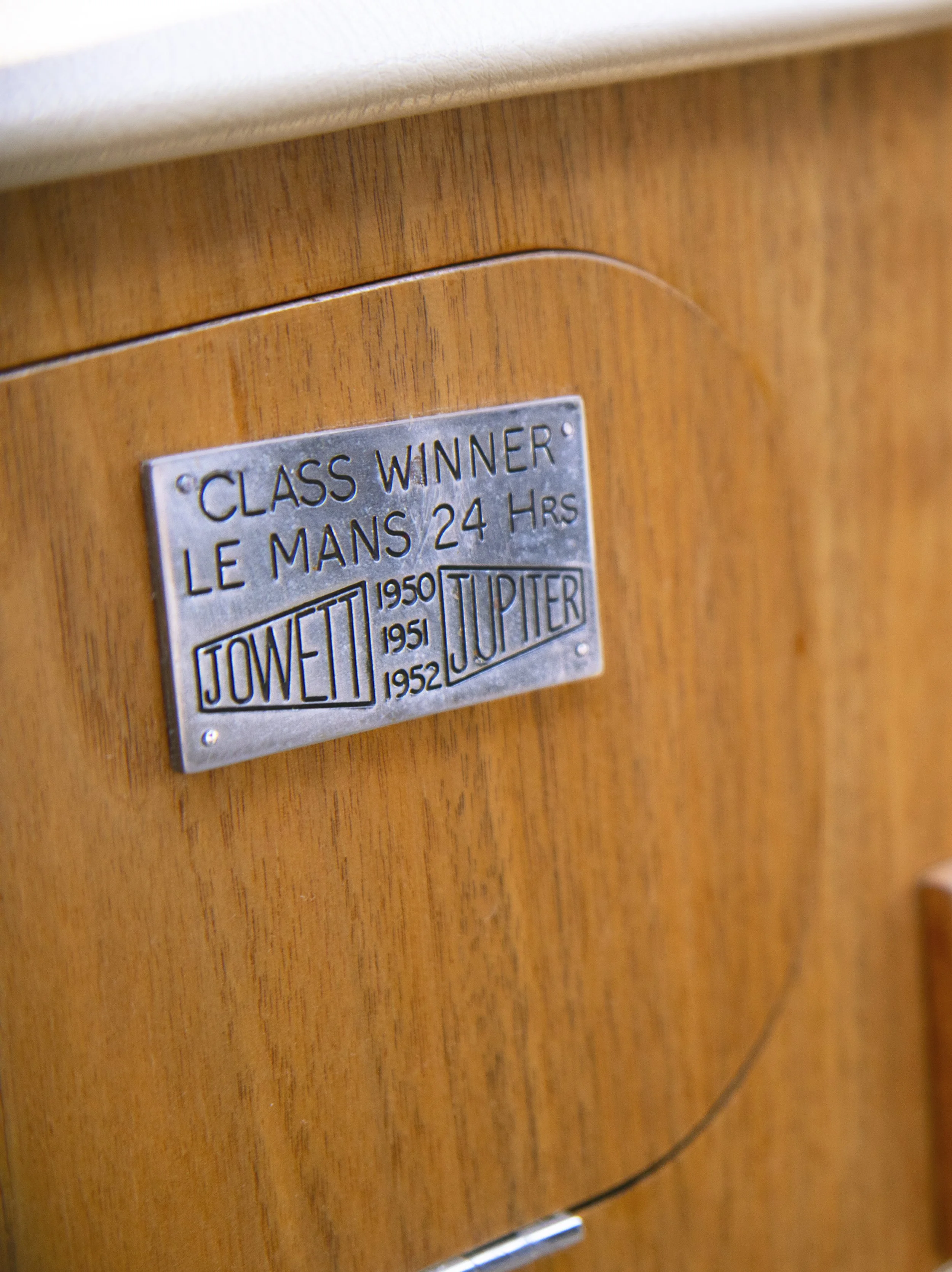
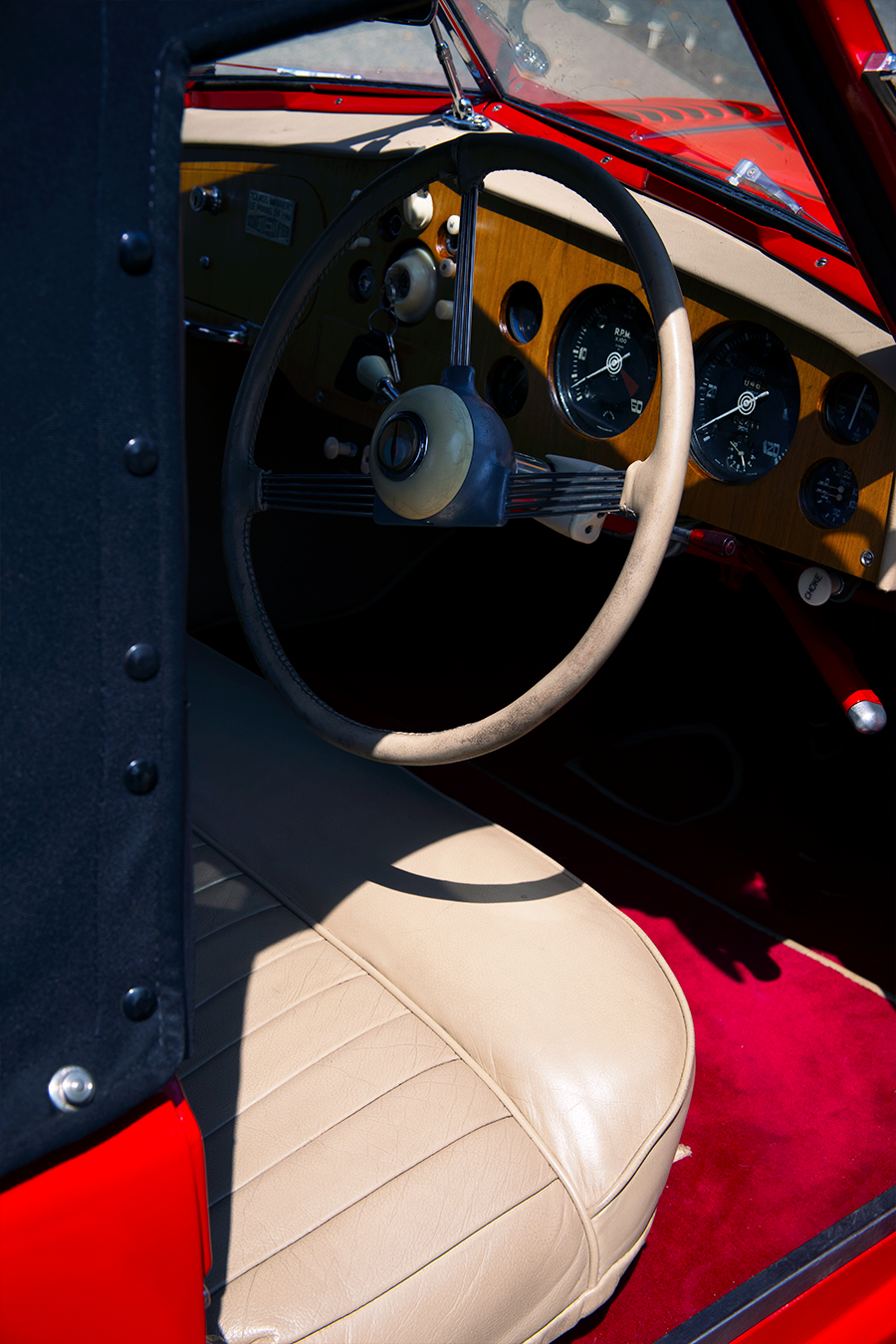
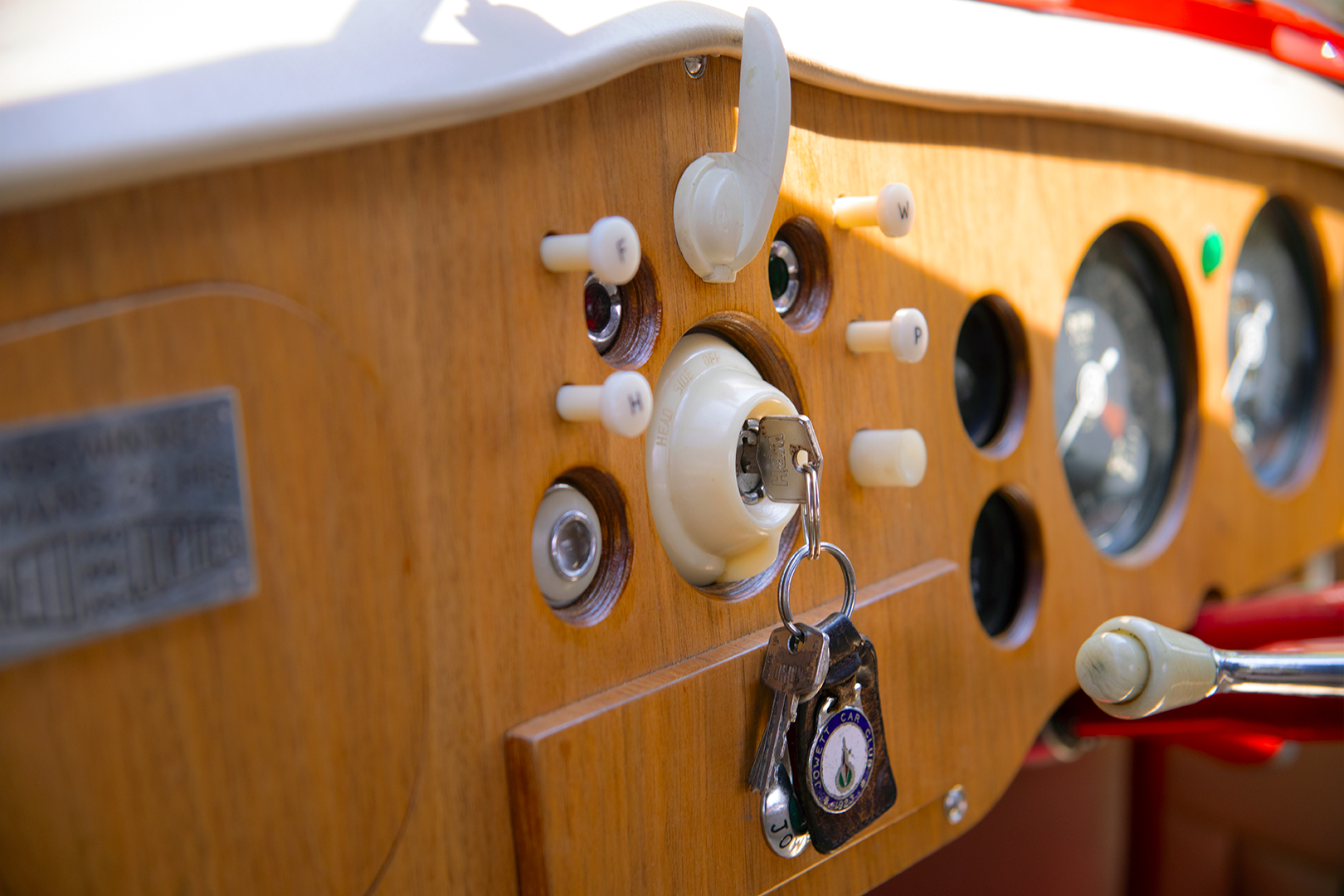
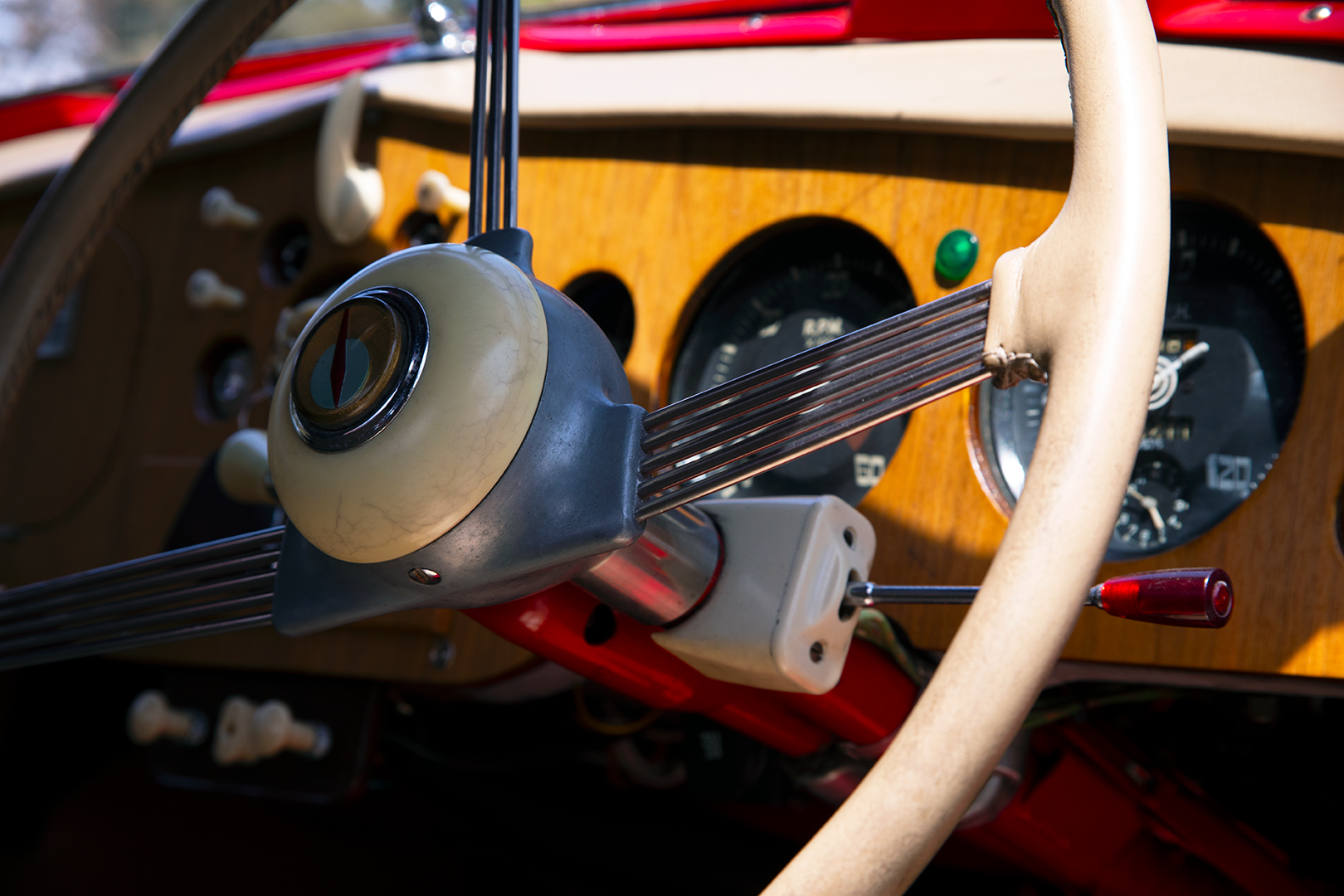
Not bad. A little heavy perhaps, but this was no Spartan MG with side curtains. The Jupiter was meant to be a luxury sporting machine with roll-up side glazing and a more complete interior. Its chassis gave it road-holding no MG of the period could dream of, and its prowess was proven with Le Mans class wins in 50, 51, and 52, and a class win on the Monte Carlo Rally in 51. Not bad at all. The only oversight might be the use of the Javelin’s column-mounted manual shifter instead of the floor-mounted arrangement preferred by sporting motorists.
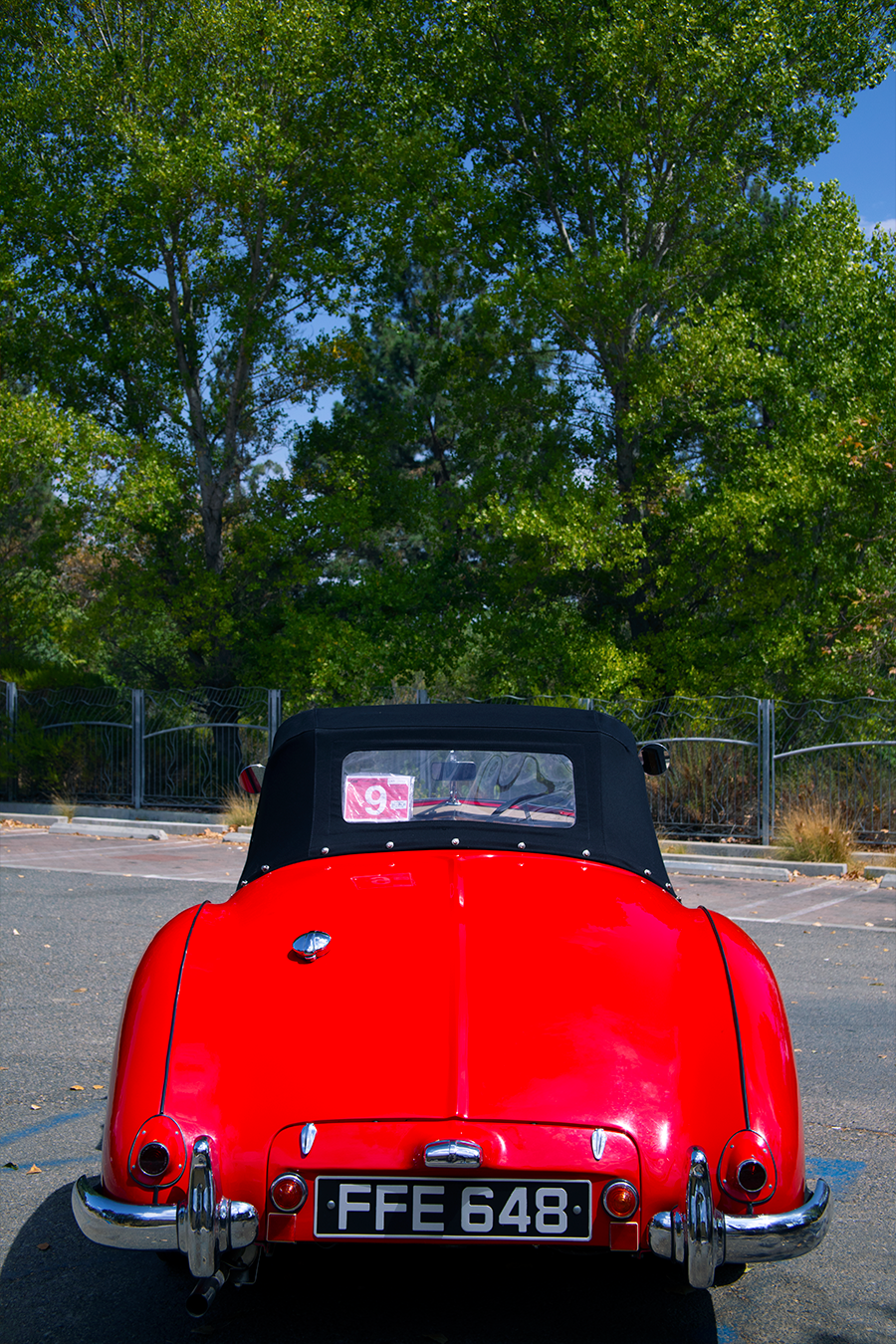
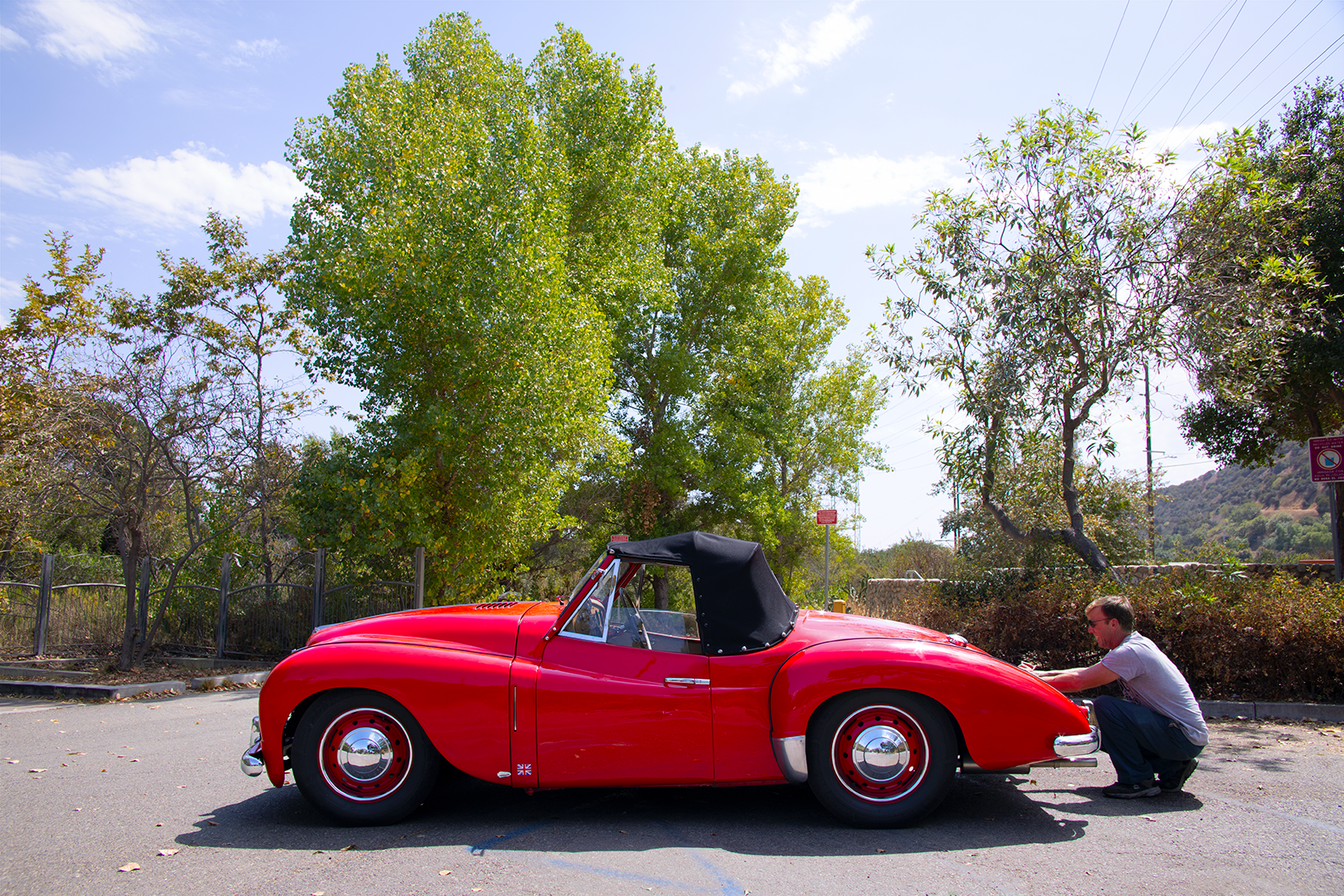
Perhaps due to the already limited quantities of steel, the decision was taken to coach-build the car in aluminum. The result is a bit high of prow, perhaps, especially given the flat-four beneath the hood. That’s partly down to just how low the tail sits, and partly because, whilst the cylinders are horizontally splayed, the accessory drives are stacked tall along the center-line. A curious arrangement. Still, it’s a sleek thing overall, especially for the period. Stylist Reg Korner desired that the car be curvaceous, and he definitely got his wish. Coach-building is a laborious process, really only suited to limited production vehicles. The center bonnet panel alone was initially made up of eight individual pieces of aluminum, all of which had to be shaped by hand, jigged, welded, ground, filled, and sanded before paint could be applied. This arrangement was expensive, and may have contributed to the car’s downfall.
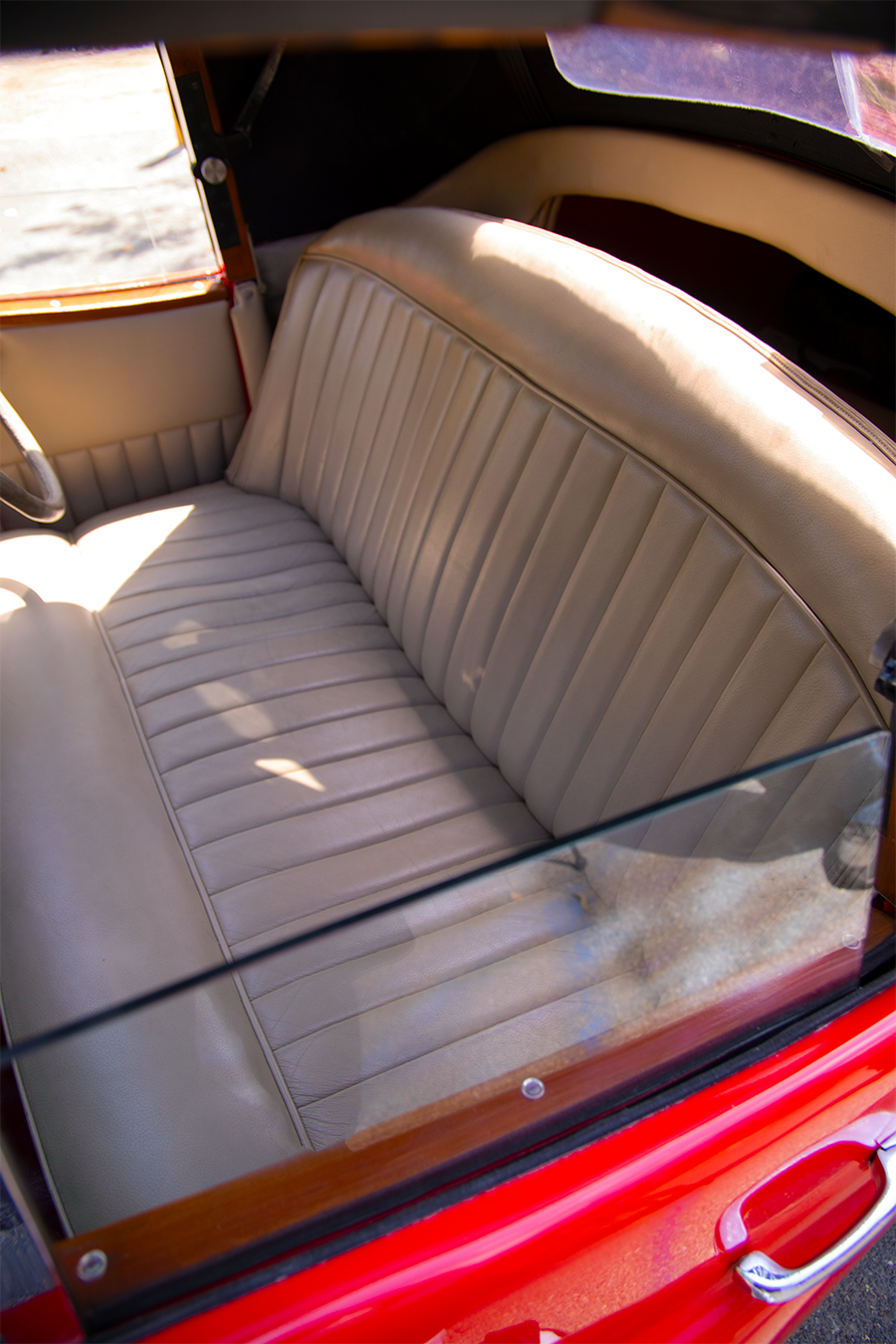
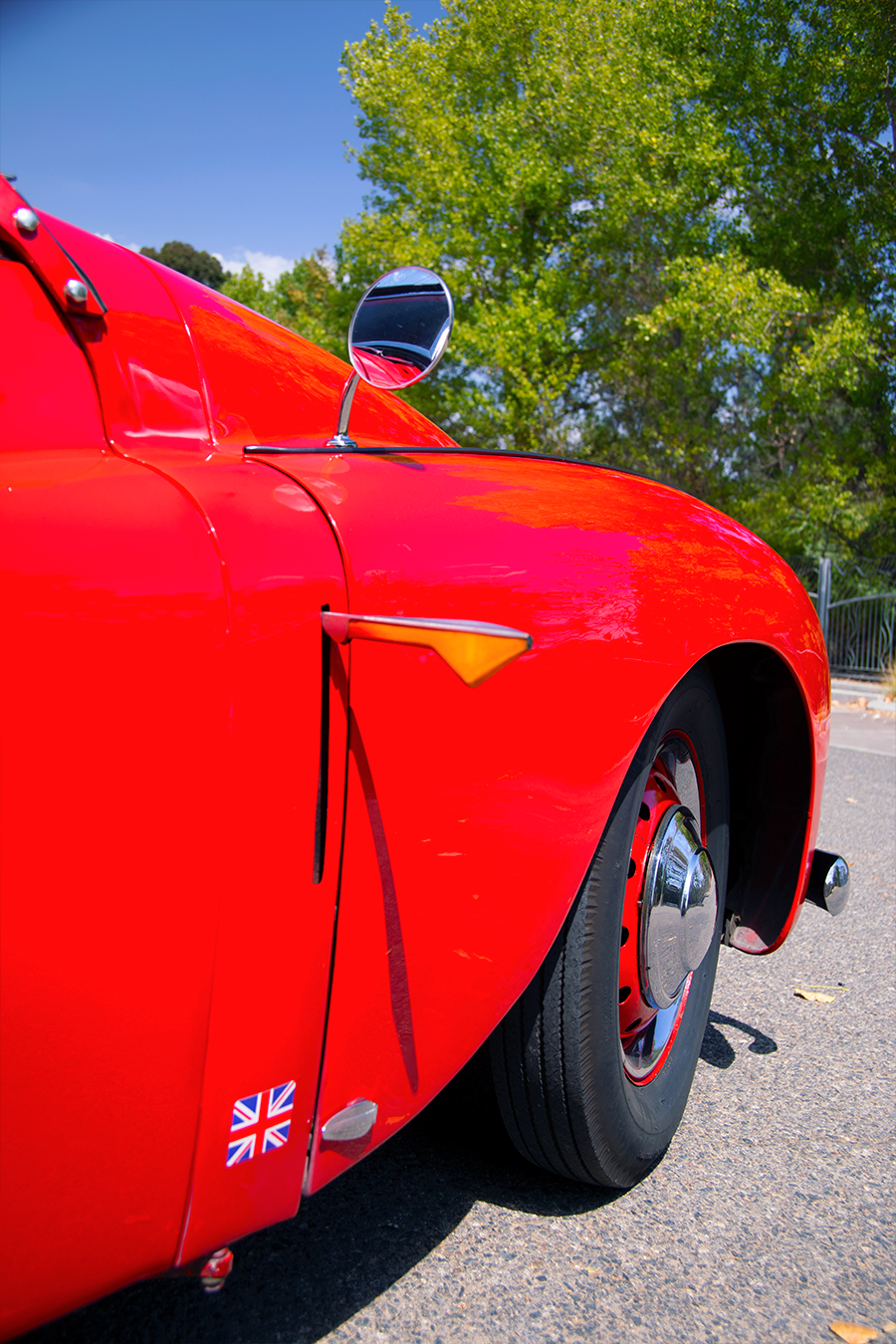
Why don’t we see more of them around? Seemingly the same answer as always, price. When the Jupiter appeared in 1950 it was listed at £1,394 it was nearly twice as dear as the MG at £733, and fewer than £300 more would net you a Jaguar XK120 at £1,678. Worse still, on arrival in its intended market of California, the Jupiter was listed at $2,900. The Jaguar was $3,945. The $1,000 difference was considerable in those days, but far too close when you consider the Jag was serving up a 3.4 liter twin-cam “six”. Put another way, each of the Jupiter’s 60hp would have cost you $48, the Jaguar gave you horsepower at the rate of $24.60 per. Only Porsche gets to charge more money for less power, so it was game over for Jowett.
That was really it. Jowett managed to churn out 825 complete Jupiters from ’50-‘54. MG by comparison built around 10,000 TCs, and Jaguar managed 12,000 of the XK120 in all body types.
The commercial and export failure of the Jupiter sealed Jowett’s fate. Unable to procure enough steel to build the Javelin, and their Bradford van in mass quantities, they reached a point of financial crisis 1953, and were off the scene entirely by 1954─the same year as this featured car.
CONCLUSION - From Camera Carspot
Thank you for taking the time to read the first edition of RARELY SEEN RIDES. Thanks to the owners and our writer Bruxell, the 2025 Collection was a joy to put together.
Now, we would love to hear if you have experiences with any of the cars featured. Whether you've owned one, recall spotting any, or really anything that make them significant to you. Besides this, how would you rank them in terms of favorites? Send us an email/DM or leave a comment on a related Instagram post!